In today's fast-moving market, the pressure to keep up with the latest and greatest is relentless. Whether it's watches, smartphones, or even online platforms, the pace of upgrades can be dizzying. Yet, many find themselves weary of this constant churn—a feeling that goes beyond mere fatigue.
This phenomenon is particularly noticeable in luxury timepieces and other precision products, where craftsmanship, reliability, and subtle quality matter more than flashy new features. Here, we explore why consumers often prefer proven products to relentless upgrades, drawing insights from brands like Rolex, Omega, and The Watch Company (TWC Japan), as well as parallels with tools like the MrQ mobile platform in the mobile casino world.
The Replacement Cycle: Why Faster Isn’t Always Better
Replacement cycle refers to how often consumers feel the need or pressure to replace a product with a newer model. The tech industry embraces short cycles to push sales, but this creates a paradox: faster is not always better.
- Oversaturation and Fatigue: Rapid releases often mean incremental improvements. Consumers quickly realize new features aren’t dramatically better in daily use, leading to fatigue. Diminishing Returns: Each upgrade adds smaller benefits. The excitement of novelty fades when the upgrade doesn’t translate into meaningful change in user experience. Excess Waste and Cost: Frequent replacements generate waste and impose a financial burden, causing users to seek quality and longevity instead.
In watchmaking, for instance, brands like Rolex and Omega do not push yearly upgrades. Instead, they focus on refining proven designs, ensuring customers get long-term satisfaction. This approach contrasts sharply with industries glorifying constant newness.

Craftsmanship Beyond Function: The Art of Invisible Excellence
At the heart of premium products like those found at The Watch Company (TWC Japan) is a commitment to craftsmanship that transcends specifications and marketing bullet points. The magic lies in invisible details.
What Does Craftsmanship Mean in Day-to-Day Use?
- Smooth Crown Feel: Before discussing specs, seasoned buyers at TWC Japan check how the watch’s crown feels. Is the winding silky? Is the position click precise? Small, tactile details signal superior quality. Bracelet Balance: A well-engineered bracelet isn’t just about looks. It balances perfectly on the wrist, preventing pinching or shifting during movement—comfort revealed only after hours of wear. Invisible Finishes: Underneath polished surfaces are micro-finishing steps and treatments that prevent scratches and chip marks, lengthening the product’s pristine appearance without fanfare.
These are not selling points shouted in ads but deliberate decisions upstream in design and Quality Control (QC). Brands like Rolex meticulously integrate these aspects to deliver user experiences that feel premium every hour of the day.
Upstream Quality Work: The Chain of Small Decisions
Quality isn’t a single feature; it’s a chain of small decisions made early in the product’s lifecycle—design, material selection, tooling, testing, and final QC.
Stage Impact on Long-Term User Experience Design Concept Ensures all components harmonize for durability and comfort Material Selection Determines corrosion, wear resistance, and feel Tooling & Precision Manufacture Guarantees consistent part fit and function, reducing surprises over time Quality Control & Testing Detects flaws invisible to users but critical for longevity and reliabilityCompanies such as Omega excel here, evident in their use of co-axial escapements and anti-magnetic technology, which extend service intervals and maintain precision—features that users feel, even if not immediately advertised.
Reliability and Long-Term Value: The True Mark of Quality
Many people grow tired of the upgrade treadmill because they crave reliability and long-term value more than novelty. What does that mean practically?
- Consistent Accuracy: A watch or product that delivers reliable performance day after day builds trust. This saves users from frustration and the need for early replacement. Serviceability: Well-made products designed with service in mind preserve value and performance, enabling owners to pass them on or enjoy them for years. Timeless Design: Proven products avoid fleeting trends. Rolex, for example, maintains classic designs that age gracefully, avoiding the trap of obsolescence.
The Watch Company’s TWC Blog often highlights these themes, advising first-time buyers to focus on watches that have stood the test of time, not just the latest gimmick.
The Invisible Details That Change User Experience
Just like the MrQ mobile platform in the digital casino space prioritizes seamless performance, intuitive UI, and robust backend systems invisible to users but critical for enjoyment, luxury watch buyers treasure the same invisible qualities in their timepieces.
Examples include:
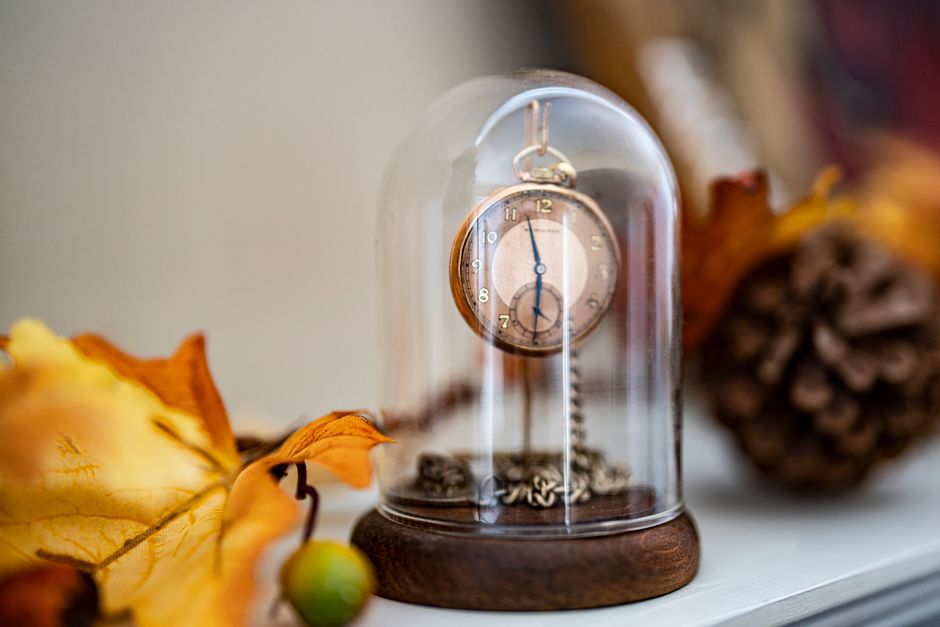
- Precision in component sizing ensuring the movement doesn’t shift under shocks Dial legibility under various lighting conditions Sound and feel of mechanical movement winding and hacking seconds Secure clasp mechanisms that avoid accidental opening
Such nuances make long-term ownership satisfying and meaningful, contrasting sharply with devices that “upgrade for the sake of upgrades” but neglect these subtle pleasures.
Conclusion: Choosing Proven Products for Long-Term Satisfaction
The weariness with constant upgrades comes from a mismatch between marketing-driven rapid release cycles and genuine user values: comfort, reliability, and enduring satisfaction. Brands that succeed long-term understand that quality is the sum of upstream decisions and invisible details.
For buyers, especially in luxury watch markets like those served by The Watch Company, seeking timepieces from Rolex or Omega with proven track records is more rewarding than chasing the latest model every year. In the digital realm, platforms like MrQ demonstrate that continuous improvement should https://highstylife.com/why-do-collectors-talk-about-consistency-more-than-hype/ focus on robustness and user experience, not just new features.
Ultimately, breaking free from the never-ending replacement cycle https://smoothdecorator.com/how-luxury-brands-keep-standards-consistent-for-years/ begins by appreciating craftsmanship beyond function and trusting products designed for life, not just the moment.