If you are reading this, you are likely in that exhilarating "puppy fever" phase. You’ve probably scouted breeders, scrolled through endless photos, and calculated the price of the puppy itself. In the UK, that initial purchase price—anywhere from £1,500 to £3,500 for a popular breed—feels like a significant financial commitment. But here is the professional truth I’ve learned in nine years of rescue work and fostering: that purchase price is a distraction.
The single biggest money mistake first-time owners make isn't overpaying for a puppy; it is underestimating lifetime costs while skipping comprehensive insurance and ignoring breed-specific health risks.
We often treat "average cost" articles as promises rather than warnings. The reality is that for many breeds, the "average" is a floor, not a ceiling. Let’s break down why your spreadsheet might be missing the most expensive items on your dog's future ledger.
The Purchase Price Fallacy
First-time owners often look at the puppy price, add a crate, some food, and a few toys, and think they’ve budgeted for a dog. According to the PDSA Animal Wellbeing (PAW) Visit this site Report, the lifetime cost of a dog in the UK can easily range from £15,000 to £30,000. When you look at high-maintenance or brachycephalic (flat-faced) breeds, that figure can easily double.
The mistake is viewing a dog as a "flat-fee" purchase. In reality, a dog is a high-maintenance piece of biological machinery that depreciates in health as it ages—and the repair costs (veterinary care) are not standardized.
The "Big Three" Financial Pitfalls
1. Skipping Insurance (or choosing the wrong policy)
I hear it all the time: "I’ll just put £50 a month into a savings account." Do not do this. If your dog develops a condition at eight months old—like a cruciate ligament rupture or a chronic skin condition—that £400 you’ve saved won’t even cover the diagnostic MRI, let alone the surgery and physiotherapy.
You must opt for Lifetime Cover. This means your vet fees are covered up to a set amount each year, and that limit refreshes annually for as long as you keep the policy active. If you go for "Time-Limited" or "Maximum Benefit" policies, you risk being left with an uninsurable dog once your limit is reached, leaving you to foot the bill for chronic, life-long conditions.
2. Ignoring Breed-Linked Chronic Health Conditions
Many owners choose a breed based on aesthetics, completely ignoring the "breed tax." If you choose a French Bulldog, a Pug, or a Cavalier King Charles Spaniel, you are opting into a specific set of biological challenges. Brachycephalic Airway Obstruction Syndrome (BOAS) is not a "maybe"; it is a structural reality. Corrective surgery to open airways can cost anywhere from £1,500 to £4,000. If you haven't planned for this, you are one bad summer heatwave away from a financial emergency.
3. Forgetting the "Hidden" Lifetime Costs
Most blogs talk about kibble and squeaky toys. They forget the boring, expensive stuff that hits in years 4 through 12.
- Dental Care: Almost 80% of dogs over age three have some form of dental disease. A professional scale-and-polish under general anaesthetic in the UK costs between £300 and £600. If extractions are needed, add another £200–£500. Rehabilitation: If your dog requires orthopaedic surgery, they will need hydrotherapy or physiotherapy. These are rarely covered fully by standard insurance "top-up" limits. Specialist Scans: Sometimes, a standard vet referral isn't enough. An MRI or CT scan at a specialist referral center can set you back £1,500 to £2,500 before treatment even begins.
A Reality Check on Costs
This table compares the "optimistic" first-time owner budget against the "realistic" benchmark for a medium-to-high risk breed in the UK.
Expense Category Optimistic Budget (Annual) Realistic Budget (Annual) Notes Insurance (Premium) £300 £700+ Depends on breed, age, and postcode. Routine Vet (Vaccs/Checkup) £100 £200 Includes flea/worming/annual boosters. Food (Quality/Prescription) £400 £900 Better nutrition often prevents health issues. Dental/Unexpected Care £0 £400 Always assume at least one "surprise" visit. Grooming/Boarding £200 £600 Crucial for high-maintenance coats. Total £1,000 £2,800 The gap is your "mistake" margin.How to Mitigate the Risks Before You Buy
If you are set on a specific breed, you must work backward from their health risks. You cannot "hope" for the best; you must verify.
Utilize Kennel Club Breed Health Schemes
Before you even contact a breeder, look up the Kennel Club (KC) Breed Health Schemes. For breeds prone to heart conditions (like Cavaliers) or hip dysplasia (like Labradors or Golden Retrievers), the parent dogs must be tested. If a breeder says, "My dogs are healthy, they don't need tests," walk away. They are passing the financial liability of genetic illness onto you.
The Brachycephalic Reality Check
If you are looking at flat-faced breeds, look for breeders who participate in the Respiratory Function Grading Scheme. This helps ensure the parent dogs have better breathing capacity. It doesn't guarantee your puppy won't need surgery, but it significantly lowers the odds. Ignoring this is the fastest way to turn your "dream dog" into a "medical debt dog."
Final Thoughts: Don't Let "Love" Blind Your Ledger
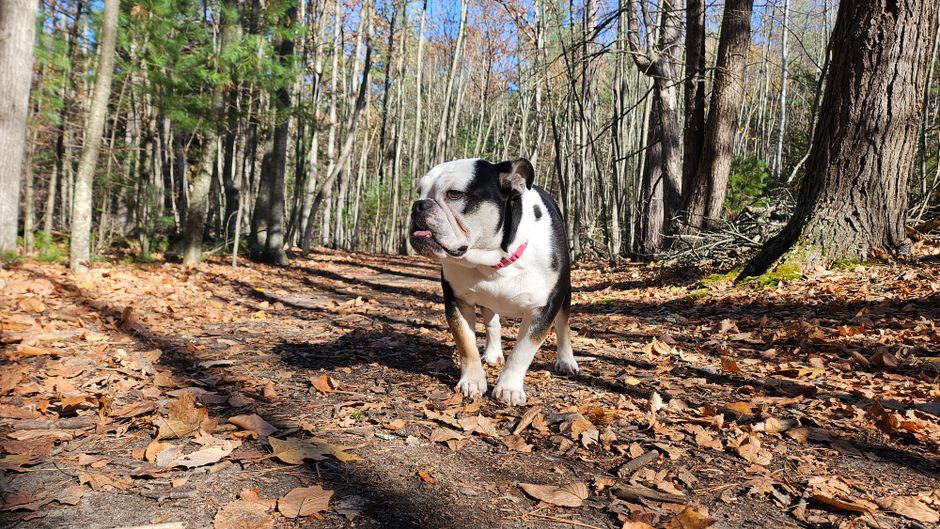
The most common mistake is thinking that love is a substitute for financial preparedness. As a rescue volunteer, I see the heartbreaking results of this mismatch every week. Dogs are surrendered to charities not because owners don't love them, but because owners weren't told about the £2,000 spinal surgery for their Dachshund or the ongoing skin-allergy medication for their Bulldog.
Before you commit to that puppy, check your insurance premiums for that specific breed at your specific postcode. Look at the KC health testing requirements. Build a dedicated "vet fund" that sits separate from your holiday or house-deposit savings. If the numbers scare you, that is a sign you are doing the right thing—you are finally looking PDSA PAW Report 2024 pets at the true cost of companionship.