When you hear “interactive entertainment,” your mind probably jumps straight to video games. That’s natural—games have been the poster child for digital interaction for decades. But if you’ve ever found yourself debating fan theories in a forum thread, contributing to a live-streamed event’s chat poll, or diving into a virtual book club on a social platform, you’ve already stepped into the broader world of interactive media.
Interactive entertainment today is about turning audiences into participants, offering choices that shape the experience and fostering community connections that keep people coming back. Let’s unpack how this happens, especially beyond the joystick and screen-tapping.
Nostalgia: Emotional Connection and Comfort in Digital Experiences
Imagine you stumble onto a subreddit dedicated to a beloved TV show that ended years ago. Fans post old episode clips, share memories, and build community around something no longer airing. That’s nostalgia at work—an emotional bridge between past and present that gives digital experiences staying power.
Interactive media channels like social platforms and streaming services harness nostalgia to tap into familiar worlds that people want to revisit and reshape, even if the content isn’t inherently interactive. For example, streaming platforms often host live rewatch viewings, where audiences watch an episode simultaneously and comment in real-time. That synchronous, shared experience adds a layer of interaction to nostalgia, turning passive watching into participatory entertainment.
- Emotional Anchor: Nostalgia provides comfort in a rapidly changing digital landscape, grounding users through shared memories. Ongoing Relevance: Classic content gets new life as communities form around it online, weaving persistent engagement. Interactive Spin: Fans don’t just consume—they remix, comment, theorize, and craft new content inspired by what they love.
Familiarity and Continuity in a Fast-Changing Digital World
When the digital landscape shifts every year (or every month), people crave familiar anchors. Social platforms like Discord servers, Reddit communities, or Facebook groups dedicated to a specific fandom offer continuity. They become the digital equivalent of a coffeehouse hangout, anchoring fans amid new apps and fleeting trends.
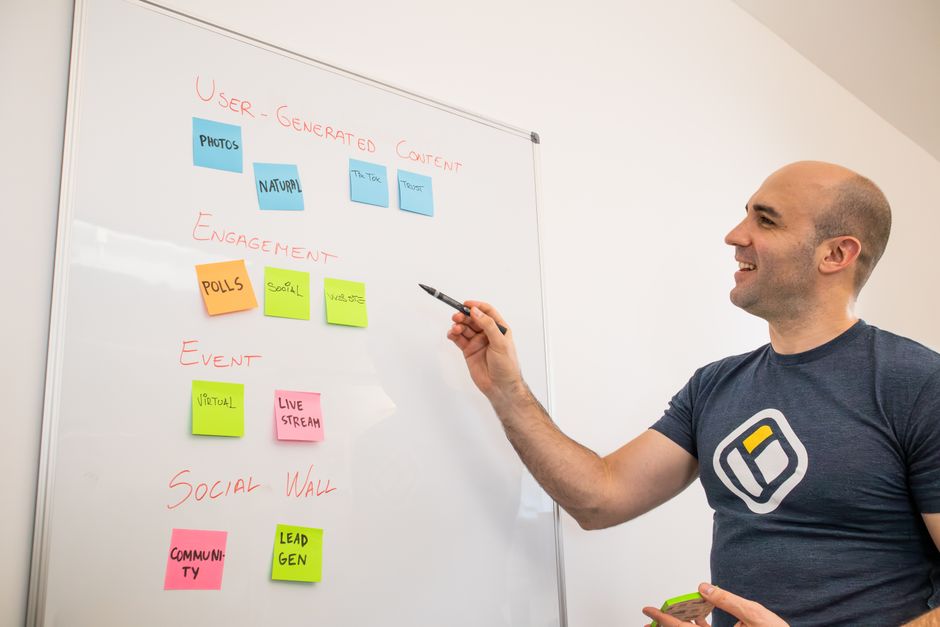
Such spaces aren’t just bulletin boards; they’re living ecosystems where the line between creator and audience blurs. For instance, a podcast host might take fan input from a streaming chat to shape episode topics, or a streamer might adapt gameplay choices based on real-time viewer polls.
Steady Communities: Familiar platforms foster a sense of belonging and stability. Dynamics of Participation: Audience members move from spectators to contributors influencing content direction. Feedback Loops: Interactivity creates cycles of engagement, making experiences feel fresh despite familiar backdrops.Interactivity: Turning Audiences into Participants
Think about a live-streamed quiz or a Twitch channel asking viewers to vote on the next storyline twist. Here, interactivity is the heartbeat. It’s not a passive watch-and-forget experience; it’s an active, two-way conversation.
This change—from passive consumption to active participation—redefines entertainment itself. Instead of being consumers trapped behind a screen, audiences become co-creators. interactive storytelling for brands These experiences leverage simple tools—chat, polls, reactions—that open up decision-making to the crowd.
Traditional Entertainment Participatory Entertainment Fixed narrative, linear progression Dynamic outcomes shaped by audience choice Viewer watches passively Audience interacts in real-time Single creator controls content Creators and audience collaborateExamples Beyond Video Games
- Interactive Livestreams: Streamers use chat polls to pick game paths or challenge modifiers, making viewers part of the show. Social Platform Quizzes & Polls: TikTok and Instagram stories offer audience input that influences content creators’ next posts. Collaborative Storytelling: Writers and fans use platforms like Wattpad or fan forums to co-create worlds and plotlines.
Engagement and Retention Through Choice and Contribution
What keeps a fan coming back to a franchise or creator’s digital space isn’t just the original content—it’s the sense of ownership and contribution they feel. When you vote in a fan poll that changes a character’s fate or suggest a meme that the community embraces, you’re not just watching—you’re participating in the entertainment ecosystem.
This engagement is sticky because it turns intervals between releases into ongoing conversations. Platforms reward contribution. The more you interact, the richer the experience—and the more likely you are to stick around. It's similar to why forum threads with active discussion survive long after shows end; the conversation itself becomes a form of entertainment.

Key Takeaways
- Choice Empowers: Giving audiences meaningful options turns one-way entertainment into shared adventures. Contribution Builds Community: Fans staying active in digital spaces around a brand or franchise expand the lifetime value of the experience. Interactive Media Is Layered: It blends passive content consumption, active participation, and emotional connection through nostalgia and familiarity.
Conclusion: Interactive Entertainment Is Bigger Than Games
Interactive media isn’t locked inside a game controller or VR headset. It’s grown into a sprawling network of digital experiences where nostalgia, familiarity, and choice invite audiences to become participants. Streaming services host shared viewing and chat interactions; social platforms offer polls, collaborative storytelling, and fan-driven content ecosystems.
In a digital world racing forward, participatory entertainment provides emotional touchstones and spaces for continuity, community, and co-creation. The next time you’re clicking on that “Play Again” button or refreshing a live chat with fans worldwide, remember—you’re part of a thriving interactive experience that goes way beyond the game.
So, what interactive entertainment are you part of lately, beyond video games? Drop that in the comments or join a stream chat—and see how quickly a passive moment turns participatory.