The verdict on a briefcase’s quality isn't just about how it looks on the outside — the interior often tells a richer story. For anyone who's spent time carrying their work essentials or jetting from meeting to meeting, a well-crafted briefcase is essential. But with so many brands marketing "premium" or "genuine leather" goods, identifying true craftsmanship can be a challenge.
In this deep dive, we’ll explore key interior details that reveal a briefcase's quality. We'll naturally reference industry leaders like Von Baer, trusted hardware brands such as YKK, and certifications like Cuoio Superiore, an Italian seal of leather excellence. Whether you’re a seasoned professional or just shopping around, these insights will help you separate genuine quality from marketing jargon.
Leather Grade Truth vs Marketing Labels
One of the biggest pitfalls shoppers face is vague labeling on leather products. Words like "genuine leather" or "top grain" are tossed around liberally, but they reveal little about durability or sourcing. Brands often use these vague terms to cover lower-quality hides or heavy finishes that mask imperfections.
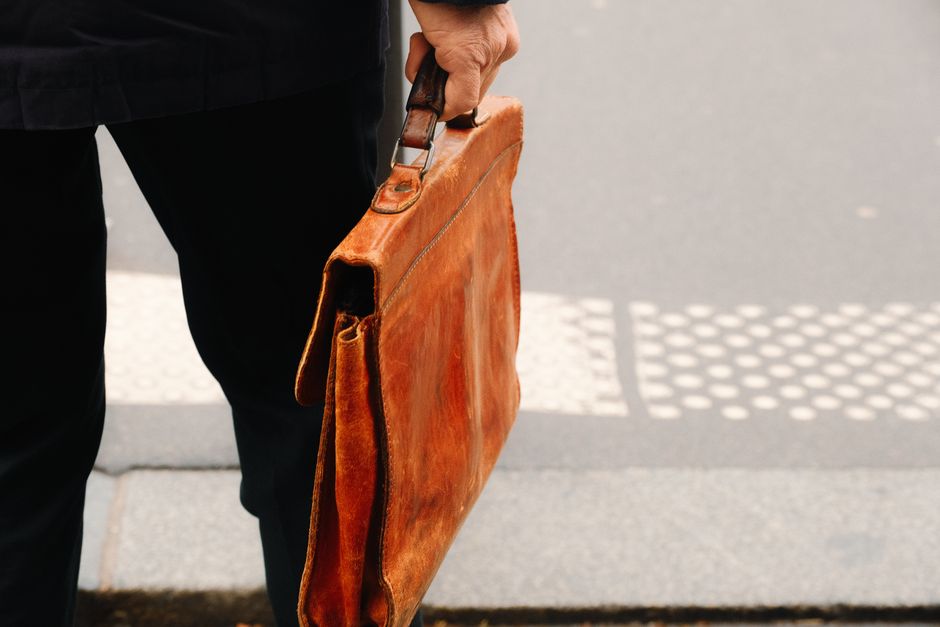
Vegetable Tanned vs Chrome Tanned Leather
Understanding the tanning process can help you uncover the truth behind the leather grade:
- Vegetable Tanning uses natural tannins from bark, leaves, and roots. It's a slow process that produces sturdy, breathable leather that ages beautifully with a rich patina. Vegetable-tanned leather is less common due to higher cost and longer production time but preferred by premium brands like Von Baer. Chrome Tanning uses chromium salts, offering a quicker, cheaper process. While chrome-tanned leather can be soft and supple, it tends to be less durable and ages poorly.
When inspecting a briefcase’s interior, look for signs of vegetable tanning: the leather will have a natural aroma, uniform light brown coloring under any finish, and a firm hand. Chrome tanning often results in uneven coloring and a chemical smell.
Lining Quality: More Than Just Fabric
Many shoppers overlook lining quality, dismissing it as purely aesthetic. However, the lining plays a crucial role in the briefcase's longevity and functionality. It protects the leather from internal wear, holds compartments firmly, and gives you an overall sense of craftsmanship.
Watch out for the following when assessing lining quality:
- Material Matter: Premium briefcases use natural or high-quality synthetic fabrics like cotton, linen, or microfiber blends. These materials are breathable, durable, and comfortable to the touch. Seam Finish: Check the inside seams for bias binding or reinforced stitching instead of raw or taped edges, which indicate rushed manufacturing. Branding Details: Brands like Von Baer and Cuoio Superiore often include lining with subtly stamped certification marks or logos, verifying authenticity and pride in construction.
For inspiration and examples of neat, high-quality linings, explore image libraries like Unsplash and Pexels — many photographers document close-ups of leatherwork interiors with ample natural light to appreciate texture and stitching.

The Internal Frame: Backbone of Shape and Durability
The internal structure or frame of a briefcase is critical, especially for maintaining shape under load. Cheaper designs rely on minimal reinforcement or flexible boards that degrade rapidly, resulting in bags that sag or warp over time.
Well-made briefcases will exhibit:
- Rigid but Lightweight Frame: Often composed of thin metal or hardwood inserts carefully sewn into the lining and leather layers. This frame preserves sharp edges and supports weight without adding bulk. Reinforced Corners and Stress Points: Extra padding or leather patches internally protect areas prone to wear. Adjustability: Some luxury briefcases feature removable or adjustable internal dividers to customize compartments, evidencing thoughtful design and quality control.
Von Baer is known for embedding subtle yet functional support systems inside their vegetable-leather briefcases that don’t compromise aesthetics but perform under real-world use.
Stitching Finish: Counting Stitches Per Inch
One of my personal quirks when judging quality is counting stitches per https://thebossmagazine.com/post/what-to-look-for-in-a-briefcase-that-will-outlast-your-career/ inch (SPI). A higher SPI generally signals greater attention to detail and stronger seams that last years, even under daily stress.
Key points for stitching finish:
- Consistent Stitching: The stitches should be even, neither too tight to pucker the leather nor too loose to create gaps. Thread Quality: Durable waxed polyester or nylon threads are preferred. These resist wear much better than cotton threads that fray easily. Double Stitching in Key Areas: Stress points like handles, zipper ends, and corners should feature either reinforced stitching or bartacks for longevity.
Some luxury brands mark their thread and stitch quality discreetly. You might find a different thread color on the interior spine or a luxury label proudly declaring stitch counts. This attention to detail elevates the briefcase from disposable accessory to heirloom-quality.
Hardware as the Common Failure Point
Hardware is often the Achilles' heel of luxury briefcases. Buyers love flashy metal zippers, buckles, and pulls, but plated hardware can flake or tarnish quickly, making a bag look shabby only months after purchase.
Zipper Quality and YKK as a Benchmark
Among all hardware components, zippers receive the most abuse. A stiff or poorly functioning zipper ruins user experience and often cuts the lifespan short. That’s why I always check zipper brand stamps first.
YKK is widely recognized as the gold standard for zipper quality. Their products lock smoothly, withstand repeated use, and resist corrosion. YKK zippers are a reliable sign a manufacturer invests in functional hardware.
When examining a briefcase's interior:
- Look for YKK logos stamped on zipper pulls or slider pieces. Check for smooth slider action and lack of misaligned teeth, which would indicate cost-cutting. Prefer non-plated solid brass or stainless steel hardware as opposed to alternatives prone to chipping or tarnishing.
Brands like Von Baer consistently specify YKK or equivalent-rated hardware, matching their top-tier leather and sewing quality. This reduces warranty returns and improves repair turnaround time in case of wear.
How Cuoio Superiore Certification Helps Identify Real Leather Excellence
Italian leather craftsmanship remains the benchmark, partly due to strict quality certifications. The Cuoio Superiore seal guarantees vegetable-tanned leathers, artisan finish, and strict sourcing criteria. Briefcases bearing this seal have passed rigorous inspection for thickness, tanning purity, and defect-free surfaces.
Inside a Cuoio Superiore briefcase, you might find a stamped leather patch or an interior label displaying the seal — a reassuring sign your bag contains the best Italian vegetable-tanned hides.
Summary Table: Interior Indicators of a Well-Made Briefcase
Component What to Look For Why It Matters Leather Type Vegetable-tanned, natural aroma, even finish, Cuoio Superiore seal Durability, aging well, natural patina Lining Natural or quality synthetic fabric, reinforced stitched seams, branded marks Protects interior, adds durability, signal of craftsmanship Internal Frame Rigid, lightweight inserts; reinforced corners; adjustable compartments Maintains shape, supports load, increases lifespan Stitching Consistent, high SPI, waxed polyester/nylon thread, double stitching at stress points Seam strength, long-lasting construction Hardware YKK zippers, solid brass/stainless steel, non-plated finishes Functional longevity, smooth operation, no tarnish/flakingFinal Thoughts
Choosing a high-quality briefcase goes far beyond surface looks or trend-driven logos. By inspecting the interior — from leather tanning and lining quality to stitching finish and hardware brands like YKK — you uncover the truth behind marketing hype.
Brands like Von Baer embody this holistic approach, combining Italian tanning techniques endorsed by Cuoio Superiore, premium hardware, and expert craftsmanship throughout their briefcases. Images from Unsplash and Pexels provide a treasure trove of visual references to compare virtually before your next investment.
Remember, a briefcase is an everyday partner in your professional journey. Invest time in evaluating the interior details — after all, that’s where true quality resides.