If you have spent any time scrolling through Instagram or local community boards, you have likely seen the phrase "clean and professional clinical environment" used by every business from a high-end medical practice to a pop-up beauty salon in a back room. But here is the hard truth: in the world of https://bizzmarkblog.com/how-can-i-tell-if-a-clinic-is-being-honest-about-downtime/ skin rejuvenation and aesthetic medicine, "clean" is not just about a tidy desk or a pleasant-smelling diffuser. It is a baseline expectation of medical safety.
After nine years of walking through clinic doors, interviewing nurses, and asking the hard questions, I have learned that the difference between a "beauty centre" and a legitimate clinical environment often comes down to one thing: patient safety. If you are considering injectables or laser therapy, you need to look past the velvet chairs and the aesthetic branding. You need to look at the process.
Medical-Grade vs. Beauty Centre: What is the Difference?
The primary difference between a medical clinic and a beauty salon is the governing framework. A beauty salon might have high hygiene standards for a manicure, but they are not equipped for the biological risks associated with breaking the skin barrier. A medical-grade clinic is designed around the principles of infection control, clinical governance, and emergency preparedness.
When you visit a clinic like My Bliss Clinic, you should notice a structural commitment to safety. This goes beyond the visual; it is about how they manage waste, sterilise equipment, and document every single interaction. If a facility cannot explain their sterilisation protocol to you in plain English, that is your first red flag.
The Comparison Checklist
Feature Beauty Centre/Standard Salon Professional Medical Clinic Infection Control Basic surface cleaning Hospital-grade sterilisation & logs Practitioner Therapist/Beautician Nurse, Doctor, or Dermal Clinician Risk Management Limited/None Emergency kits & protocol on-site Device Transparency "Proprietary technology" TGA/MedSafe approved machinesWho Is Actually Holding the Needle or Laser?
My number one rule for every patient: always ask who is holding the needle or laser.
I have lost count of the number of clinics that hide behind titles like "Master Aesthetician" or "Senior Skin Specialist." These are not medical titles. In a professional clinical environment, you have a right to know the practitioner’s specific qualifications. Are they a registered nurse? Are they a doctor? Do they have a specific qualification in dermal science?
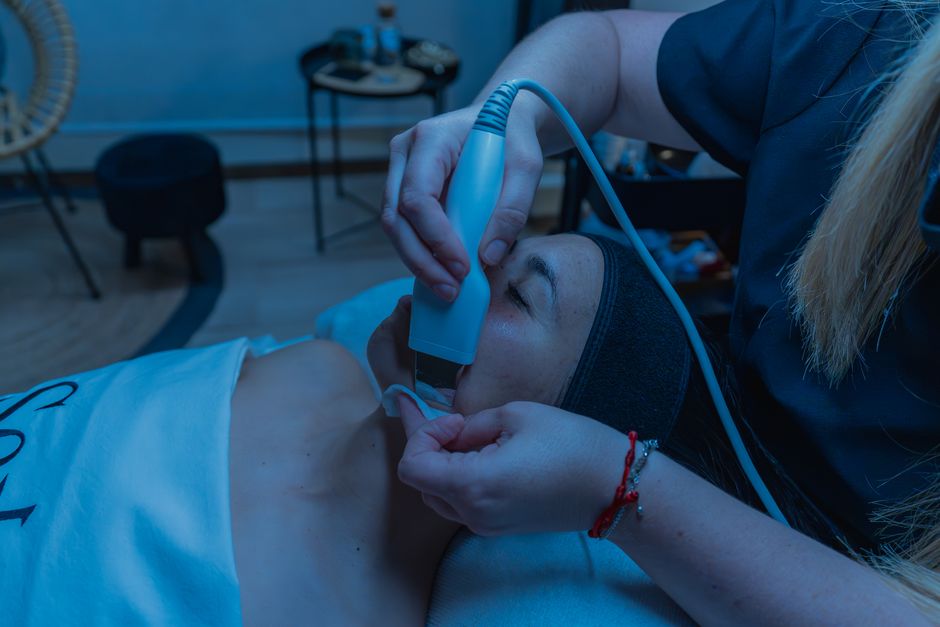
If a staff member refuses to tell you the make, model, or age of the device they are using on your face, walk away. Professional conduct requires transparency. If they are performing laser therapy, they should be able to explain exactly why that device is appropriate for your Fitzpatrick skin type. If they are injecting, they should be able to discuss the anatomy of the area and the specific product being used.

The Consultation: More Than Just a Sales Pitch
I cannot stress this enough: avoid clinics that pressure-sell on the day of your consultation. A true consultation is a diagnostic process, not a transaction. If you walk in for a skin check and walk out with three different packages and a "discount-only-if-you-buy-now" offer, you are in a retail environment, not a clinical one.
A legitimate consultation must follow a structured, safety-first path:
Medical History Review: A thorough questionnaire regarding your allergies, medication, and previous procedures. Skin Analysis: Using objective imaging or a physical examination to determine the state of your skin. Risk Disclosure: The practitioner must outline the potential risks—not just the benefits. If they aren't talking about risks, they aren't practicing medicine. Informed Consent: You should be given time to read and sign documentation. If you aren't given a copy to take home, that is a breakdown in process. Realistic Expectations: A professional will tell you if a treatment won't work for you. Beware of anyone who promises "no downtime" without clarifying that recovery can vary from hours to weeks.Technology Safety and Approved Devices
I have a visceral dislike for "discount-first" clinics that won't explain the risks of their treatments. Often, these clinics are using grey-market or counterfeit devices. When you are looking for laser therapy, you need to ensure the clinic is using TGA (Australia) or MedSafe (New Zealand) approved devices.
Why? Because approval ensures that the device has undergone rigorous testing fat reduction treatment clinic for energy output and cooling mechanisms. A cheap, knock-off laser can cause permanent scarring, hyperpigmentation, or tissue necrosis in seconds. When a clinic is professional, they are proud of their technology. They will happily tell you the manufacturer, the age of the machine, and the last time it was serviced.
The Digital Hygiene Factor
Professionalism extends to your digital safety too. When you book appointments online, ensure the clinic uses secure platforms. For instance, when you interact with professional sites, they should be using tools that respect your privacy—such as Akismet for spam protection or secure, encrypted patient management systems. A clinic that leaves your personal details on a shared spreadsheet or an unsecured website is not protecting your data any better than they are protecting your skin.
Final Thoughts: Your Face is Not a Testing Ground
When you are looking for a clinic, stop looking for the "cheapest deal" or the "most followers." Start looking for the process. Look for:
- Clear Hygiene Standards: Do they use single-use consumables? Is the room sterile between patients? Evidence-Based Practice: Do they have a clear rationale for why they are using a particular treatment on *your* skin? Documented Aftercare: If they don't provide written aftercare instructions that clearly state who to call in an emergency, they are not ready to be performing clinical procedures.
A professional environment is one where the clinician respects the gravity of what they are doing. They are not just selling a service; they are taking responsibility for your health and your appearance. Never be afraid to ask the hard questions. After all, it is your skin—and you are the one who has to live with the result.