I’ve been writing about games for a decade, and I’ve seen the landscape shift from “play until your eyes bleed” to the current era of “wellness-optimized” gaming setups that look more like a space station than a place to hang out. I’ve moderated Discord servers where the advice on “posture support gaming” usually boils down to a link to a $900 chair with racing stripes. Let’s be real: most of that is corporate fluff designed to sell you comfort rather than help you actually sit better.
I’m writing this while glancing over at my water bottle—staying hydrated is the single biggest "wellness hack" in the industry, and it costs the price of a refillable canteen. If you're feeling the ache in your neck after a session, don't rush to checkout for a brand-new chair. Let’s look at how to hack your existing space to make it work for you, not against you.
Why We’re All So Stiff (And Why Streaming Makes It Worse)
https://theportablegamer.com/2026/05/26/gaming-downtime-is-becoming-part-of-broader-wellness-conversations/There is a dangerous narrative floating around online that if you aren't gaming in an ergonomic masterpiece, you aren't "doing it right." We see streamers sitting in perfect alignment for eight-hour blocks, but here’s the reality: those people are often performing. They have to maintain a specific angle for the camera. For the rest of us, gaming is supposed to be a decompression tool—a way to reset after a day of work. If you’re turning your reset time into a rigid, painful performance, you’re missing the point.
The "burnout" culture that permeates streaming has trickled down to casual play. We feel pressure to "grind," to "hit the rank," and to stay glued to our desks for long, uninterrupted stretches. This is where physical strain settles in. It isn't because you don't have a headrest; it’s because you aren't breaking your session into manageable, human-sized chunks.
The Power of Portable Gaming as a Reset Button
One of the best things to happen to the industry in the last few years is the resurgence of handheld consoles and mobile gaming. When I talk about ergonomics, I don’t just mean your desk setup. I mean your posture habits. If you’re playing a game on your smartphone or a handheld like a Steam Deck or a Switch, you are inherently more mobile. You aren't locked into a single chair angle.
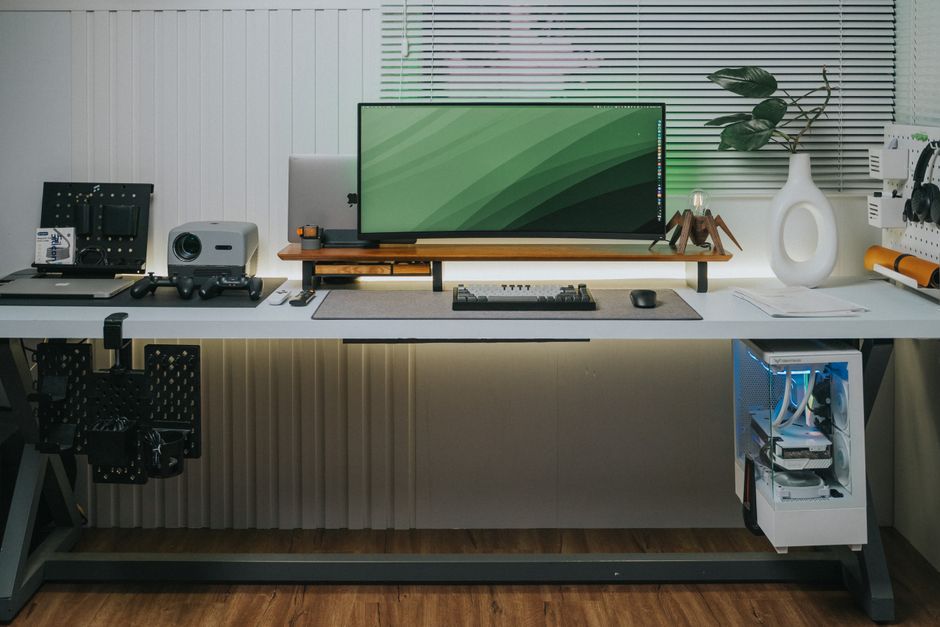
I like to count my gaming sessions in "chunks"—what I call "one commute" or "two matches." If I’m playing on a handheld, I’m constantly adjusting my grip, leaning back on the couch, or sitting up when the game gets intense. That dynamic movement is far healthier for your spine than sitting like a statue in a "gaming chair."
Practical Ergonomic Setup Tips (That Cost Zero Dollars)
Forget the buzzwords. Let’s talk about simple physics. If you want to reduce physical strain, you need to stop fighting gravity. Here is how you can modify your current setup using what you already have around the house:
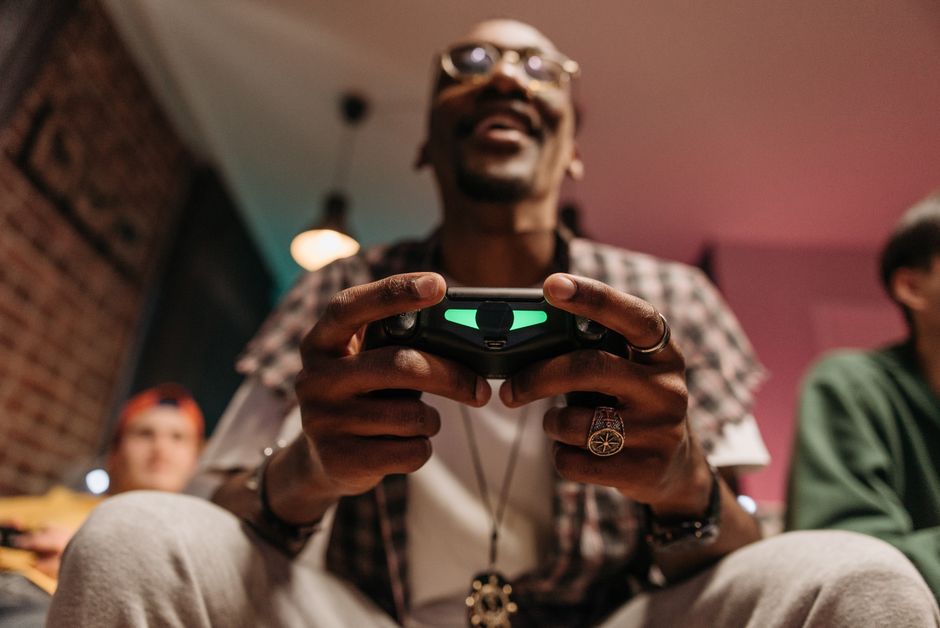
- The Monitor Eye-Level Hack: If you're on a PC, your screen is likely too low. If you're on a laptop, it’s definitely too low. Find a stack of old textbooks, a sturdy shoebox, or a ream of printer paper. Raise that monitor so the top third is at eye level. This stops the "tech-neck" hunch before it starts. The Lumbar Pillow Hack: You don't need a fancy chair with adjustable lumbar support. Take a throw pillow from your couch or roll up a firm towel. Place it firmly against the curve of your lower back. It forces your spine into a neutral position without costing you a monthly subscription payment. The Footrest Solution: If your feet aren't flat on the floor, your hips are under tension. If you're short, don't let your feet dangle. Slide a box or a pile of magazines under your feet. Your knees should be at or slightly below hip level. The "One-Match" Rule: I see people shamed for "screen time" constantly. Ignore the shame. Instead, focus on duration. If you are playing a competitive game, your body is in a state of high tension. Stand up for 60 seconds between "two matches." Walk to the kitchen. Drink your water. Do not skip this.
A Quick Reference: Common Mistakes vs. Real-Life Tweaks
I’ve put together this table to help you identify the "corporate" advice versus the practical stuff I actually use in my own setup. If a tip sounds like it belongs in a wellness brochure, it usually isn't going to help you in the middle of an intense firefight.
The Common "Wellness" Myth The Practical, Doable Fix "You need a $600 ergonomic chair." Use a towel roll for lumbar support and a box for a footrest. "Eliminate all screen time to avoid strain." Use the 20-20-20 rule: every 20 minutes, look 20 feet away for 20 seconds. "Maintain perfect posture at all times." Move. Change your seating angle. Your best posture is your *next* posture. "Buy a $100 specialized wrist rest." Lower your mouse sensitivity and keep your wrist flat/neutral.Addressing Burnout and Streaming Realities
There is a strange expectation that gaming must be a constant, high-intensity activity. If you’re a creator, the pressure to maintain "high production value" often means staying in one spot for hours. I’ve worked with streamers who were physically wrecked by their mid-20s because they thought their chair was the problem. It wasn't the chair; it was the lack of micro-downtime.
If you're playing for pleasure, allow yourself to move. Switch from the desk to the couch. If you have a portable device, use it as an opportunity to change your environment entirely. Taking your Steam Deck or your phone to a different room, or even just sitting on the floor for a bit, breaks the pattern of muscle memory that leads to chronic strain. Gaming is meant to be a decompression tool, not a physical endurance test.
The Bottom Line: Listen to Your Body, Not the Ads
Everything you read about "ergonomic optimization" is usually trying to sell you something. The gaming industry loves to use scientific-sounding buzzwords to sell you chairs, lights, and fancy peripherals. But if you’re sitting there reading this, and your neck is tight, your fix isn't in a store—it's in your room right now.
My advice? Start small. Take your water bottle and put it somewhere that forces you to reach for it every once in a while. Use a cushion for your back. Raise your monitor on a stack of books. These aren't "quick fixes" that change your life overnight; they are incremental changes that prevent the cumulative strain that leads to long-term burnout.
Gaming is the best hobby in the world, but it’s only as good as the person playing it. Don't let your setup become a source of stress. Keep it simple, keep it mobile, and for the love of everything, stop hunching over your smartphone like a shrimp—just lift your elbows a bit higher. Your neck will thank you.
Now, I’m going to finish this water, close the laptop, and jump into a quick round of something on the Switch—from the couch, with zero guilt and a much better-aligned spine than I had ten years ago.