If you are a parent like me, you know the drill. It is 11:30 PM. The house is finally quiet, the laundry is folded, and you have managed to carve out ninety minutes to jump into a lobby with your friends. You finish a session, you feel that hit of dopamine—the "good game" energy—and then, without even realizing it, you close the game client, unlock your phone, and start the scroll. Five minutes become forty-five. You’re deep into an algorithmic rabbit hole, checking social media integration feeds, watching short-form clips of people playing games you just played yourself, and suddenly, it’s 1:00 AM.
I’ve been testing tech and blogging about the culture of play for twelve years now, and if there is one thing I’ve noticed, it’s that the "post-game scroll" is the ultimate enemy of the hobbyist. We treat gaming as a treat, but we treat the phone like a tether. As someone who keeps a running log of my sleep quality after these late-night sessions—spoiler alert: it’s never great when you doomscroll—I’ve had to get serious about how to break this cycle.
Beyond the Esports Narrative
One of my biggest pet peeves in this industry is the constant, heavy-handed focus on esports. Every time I read a piece about "gaming health," it’s always written as if we are all training for a professional circuit. Let’s be thehake.com real: most of us are not. Most of us are just trying to connect with friends over a subscription-based remote play service or a desktop client after a long day of work and parenting.
When media outlets obsess over high-stakes, hyper-competitive play, they ignore the vast majority of the audience. The "normal player" isn't grinding for rank; they are trying to maintain social connectivity. When we talk about gaming as a social lifeline, we have to look at the tools we use—Discord, private servers, and community hubs—as extensions of our living room. But because these spaces are so tightly integrated with our phones, the transition from "hanging out with my buddies" to "mindlessly consuming content" is almost invisible.
The Screen Fatigue Factor
We need to talk about screen fatigue without using corporate buzzwords like "user engagement optimization" or "synergy." It’s simple: your eyes are tired, your brain is overstimulated by high-fidelity graphics, and then you shove a bright, high-contrast mobile screen in your face. It is a recipe for a bad night's sleep.

What does this change for normal players? It changes your recovery time. If you spend two hours gaming and then thirty minutes doomscrolling, your nervous system never gets a chance to downshift. You are essentially tricking your brain into thinking the "play" hasn't ended. You aren't resting; you're just shifting the type of consumption.
The Anatomy of the Loop
Why do we do it? Because the modern gaming ecosystem is built on a cycle of content. You play a game on your console, you use a remote play service on your tablet, and then you open a mobile app to check your stats or watch clips from a live broadcast site. The integration is seamless, but that convenience is exactly what makes the digital habit so hard to break.
Activity Mental Demand Physical Impact Focused Gaming High Good (Strategic/Social) Passive Viewing (Broadcasts) Low Medium (Stagnant) Doomscrolling Variable/Aggressive Poor (Eye Strain/Anxiety)Strategies for Reclaiming Your Rest
I am not here to tell you to stop gaming. I am here to help you stop the drift. Based on my own "testing" with my sleep logs and my experience as a parent of three, here are a few practical ways to disconnect.
The "Hard Quit" Ritual: When the game ends, physically place the controller in a drawer or on a charger across the room. Do not leave it on the couch next to you. If you have to stand up to grab it, you are less likely to impulsively start another session. Phone Distance: Keep your phone in another room during your gaming session. If you need it for Discord coordination, try using the desktop app instead. Removing the phone from your peripheral vision is the single most effective way to prevent the urge to scroll. The Analog Buffer: Spend five minutes doing something entirely non-digital after a session. Stretch, grab a glass of water, or simply sit in the quiet. By creating a physical gap between the screen and your bed, you give your brain a chance to signal that the day is over. Audit Your Feeds: If your social media is just clips of streamers or developers, mute them for the hour before you go to bed. You don't need to see the latest "hot take" on a patch update at 11:45 PM. It won't change your game play tomorrow, but it will keep you awake tonight.Community Play and Mobile Accessibility
I hear a lot of talk about how mobile gaming has made everything "more accessible." And sure, it’s great that I can jump into a quick game while waiting in the carpool line. But accessibility has a shadow side: availability. Because gaming is now everywhere, the line between "leisure time" and "constant digital presence" has blurred.
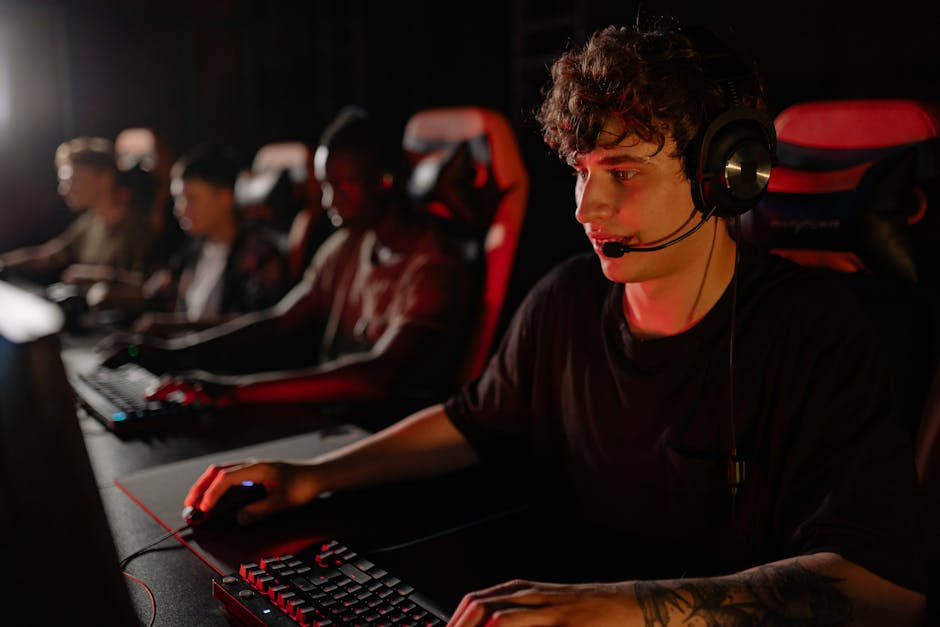
Community-based play—like jumping into a chat on Discord after a raid or a match—is one of the best parts of modern gaming. It keeps us connected to friends who live thousands of miles away. But the danger lies in the notifications. If you keep those alerts pinging while you are trying to wind down, you are inviting the chaos back in. My advice? Set a "Do Not Disturb" schedule that automatically kicks in at a certain hour. Your friends will understand; they are probably as tired as you are.
A Final Note on Health Claims
You will see a lot of "experts" online telling you that you *must* do this or that to "optimize your health." Be wary. Unless someone is citing peer-reviewed clinical research or established medical guidelines, they are usually just selling a product or pushing a trend. My observation—based on twelve years of watching the tech landscape—is that the best habit is the one you can actually keep up with while having three kids running around your feet.
Don't try to change your entire life tonight. Just try one thing. Maybe just leave the phone in the kitchen for one hour after you finish your game. Check your sleep quality the next morning. I bet you’ll find that you wake up feeling a little more human. And honestly? In this day and age, that’s a win worth playing for.
Happy gaming, and for heaven's sake, put the phone down once the game is over.