I remember sitting in the newsroom back in 2015, staring at a flickering monitor, waiting for the 6:00 PM broadcast wrap. Back then, "relaxation" felt like a destination—a mythical place you traveled to after the weekend started. Fast forward nearly a decade, and that definition has shifted entirely. Our lives are no longer separated into neat compartments of "work" and "life." Instead, we live in a continuous, high-speed feed.
If you feel like your busy schedule downtime is nonexistent, you aren't alone. Between the 45-minute commute, the back-to-back Zoom calls, and the relentless pinging of notifications, the traditional hour-long wind-down is becoming an artifact of the past. But here is the good news: you don’t need an hour to recharge. You need a better strategy for the minutes you already have.
The Evolution of Downtime: From Appointment Viewing to On-Demand
For years, we were trained to view entertainment as a scheduled event. You’d come home, make dinner, and wait for the 8:00 PM sitcom or the evening news to dictate your evening. Today, that rigidity has evaporated. We live in an era of on-demand everything.
This shift has fundamentally changed how we approach relaxation routine tips. Because entertainment is now portable, it has morphed from a "planned activity" into a "fluid resource." We consume content in snippets—on the subway, in the grocery checkout line, or during the three-minute wait for the coffee machine to brew. This isn't just killing time; it’s the new frontier of cognitive recovery.
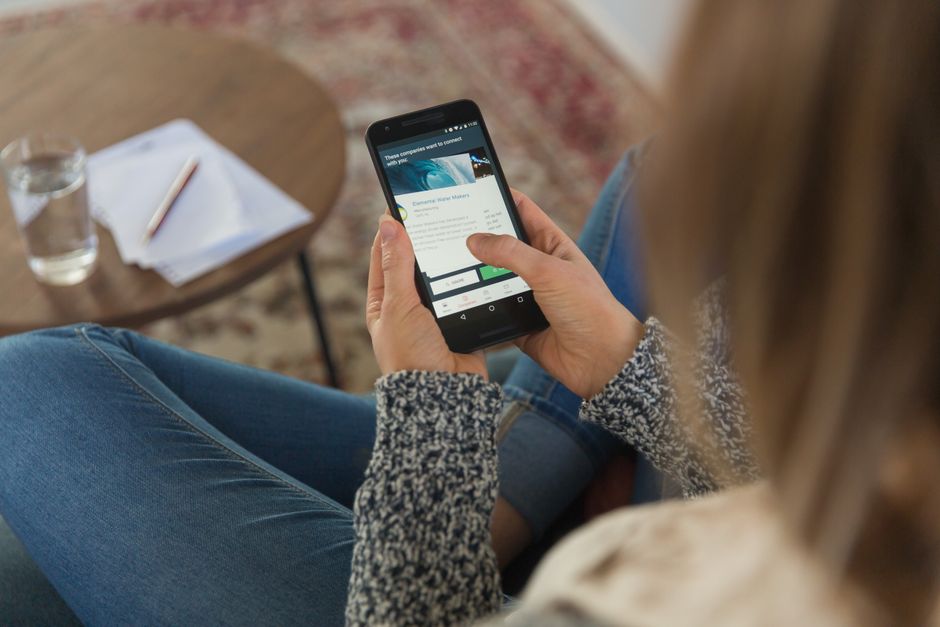
However, the trap is scrolling aimlessly. When your brain is stressed, it seeks quick dopamine hits. If your streaming platform takes too long to load or your favorite news app is cluttered with unorganized data, that brief moment of potential peace turns into a new source of frustration. This is where your relationship with your smartphone becomes critical.
Mastering the Micro-Break: Strategy Over Spontaneity
Micro-break planning is the secret weapon for the high-functioning professional. It isn't about doing nothing; it's about choosing the *right* kind of nothing. The goal is to lower your cortisol levels without needing to clear your calendar for an entire afternoon.
Consider the structure of your day. Are there natural "seams" in your schedule? The transition between a finished project and a client meeting, the five minutes before you pick up the kids, or the buffer between your workout and your next deadline. These are your prime real estate for relaxation.
The "Mobile-First" Expectation
In my line of work, I’ve seen how user experience (UX) affects mood. If you are trying to relax, the last thing you want is a clunky interface. We have developed high expectations for mobile design: fast load times, intuitive navigation, and personalized feeds. When you are building your routine, prioritize tools that respect these expectations.
- Speed: If an app takes ten seconds to open, your window of relaxation has already closed. Keep your "break" tools on your home screen. Personalization: Use platforms that learn your taste. If you spend your downtime searching for something to watch, you’re just adding to your decision fatigue. Accessibility: Ensure your streaming subscriptions allow for offline downloads. The worst thing for a busy schedule downtime session is a spotty subway signal.
Interactive Entertainment: Engaging Beyond the Passive Scroll
We often talk about "switching off" as the ultimate relaxation. But sometimes, passive consumption—just staring at a screen—can actually leave us feeling more drained. This is why interactive and real-time entertainment is gaining such traction in the lifestyle space.
Real-time formats, whether that’s a live-streamed chat, a gamified workout session, or an interactive storytelling platform, provide a sense of connection. They offer the "third space" we often lack in our isolated digital lives. By engaging with a community or a dynamic format, you aren't just consuming media; you are participating in a moment. This active engagement can actually be more restorative than zoning out to a show you’ve already seen six times.

Building Your Personal Relaxation Matrix
To help you organize your downtime, I’ve put together a reference table based on the different "types" of breaks you might find in your day. Think of this as your menu for recovery.
Break Type Ideal Timeframe Recommended Activity Why it Works The "Commuter's Reset" 15–20 minutes Podcast or Narrative Streaming Transports you away from your immediate physical stress. The "Workplace Micro-break" 3–5 minutes Short-form video or interactive quiz Provides a high-dopamine, low-effort cognitive shift. The "Pre-Workout Prep" 10 minutes Live-streamed fitness or music set Uses tempo to bridge the gap between mental tasks and physical activity. The "Evening Wind-Down" 30+ minutes Curated series or high-production doc Immersive storytelling cues the brain that the day is over.How to Start Building Your Routine Today
If you’re feeling overwhelmed by the idea of "planning" relaxation, start small. Do not try to overhaul your entire lifestyle in one go. Follow these three steps to begin integrating better relaxation routine tips into your daily rhythm:
Audit Your Transitions: For one day, track every time you have a three-to-five-minute gap between tasks. These are your blank canvases. Curate Your Feed: Go into your streaming platforms and delete the "Continue Watching" items that you know you won't actually finish. Replace them with high-quality, short-form content that you *actually* enjoy. Define Your Tech Limits: Use the "Do Not Disturb" or "Focus" modes on your smartphone. When you are in a micro-break, your phone should be a portal to your relaxation, not a gateway to your inbox.Reframing the "Busy" Narrative
There is a dangerous myth that if you aren't busy, you aren't productive. My years in the newsroom taught me that burnout isn't a badge of honor; it’s a failure of systems. When you build a system for relaxation, you are protecting your most valuable asset: your attention.
In this high-tech, mobile-first world, your smartphone can be the thing that keeps you tethered to stress, or it can be the tool that sets you free for a few vital minutes. It’s all in how you use it. Use that speed. Leverage that on-demand access. But above all, honor your own need to pause. Even in the middle of the busiest schedule, the most important thing you can do for your career—and your life—is responsive design apps to step away for a moment, take a breath, and find something that makes you smile.
Your break is yours to design. Make it count.