I spent nine years in a local newsroom, a place where "downtime" was a foreign concept whispered about in the breakroom near the communal coffee pot. Back then, we lived by the deadline, fueled by adrenaline and the rhythmic clatter of keyboards. But as I transitioned into lifestyle column writing—observing how https://smoothdecorator.com/the-fragmented-life-why-were-all-addicted-to-entertainment-we-can-pause-anytime/ we all navigate the increasingly frantic pace of modern coastal living—I realized something profound: we have traded the hour-long evening wind-down for something far more fragmented, yet potentially more sustainable.
We are living in the era of the micro-break. Gone are the days of waiting until 8:00 PM to turn on the television for a scheduled broadcast. Today, our relaxation is snatched in five-minute increments, squeezed between Slack pings, subway stops, and the endless accumulation of tabs in our browsers. But are we relaxing effectively, or are we just filling the silence with more noise? Let’s explore the best moments in the day for quick relaxation and how you can reclaim your mental space.
The Evolution of Leisure: On-Demand vs. Planned Downtime
For decades, leisure was a destination. You finished your workday, traveled home, and "relaxed." It was a binary state: you were either working, or you were resting. The digital revolution, driven by the omnipresence of the smartphone and the dominance of massive streaming platforms, has shattered that dichotomy.
Planned downtime still has its place—a weekend hike or a long-form novel remains sacred—but it no longer carries the weight of being our *only* source of recovery. Instead, we have embraced "snackable" entertainment. Streaming services have conditioned us to expect instant gratification. We don't wait for the 7:00 PM comedy hour; we open an app, and within seconds, we are immersed in a 30-second clip or a five-minute travelogue. This shift has turned every dead moment in our day into a potential opportunity for decompression.
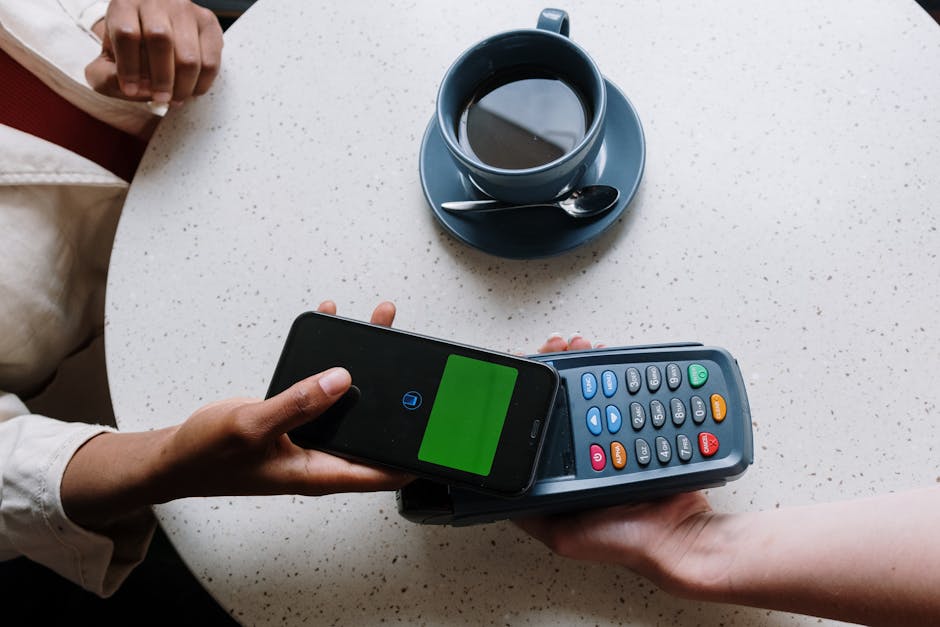
Identifying the Best Time for Micro-Breaks
If you are looking for the best time for micro-breaks, you shouldn't look for large gaps in your calendar. Those rarely materialize. Instead, look for the "in-between" spaces. These are the hinges of your day where your productivity has hit a natural bottleneck.
- The Commuter’s Transition: Whether you are on the train or in an Uber, the commute is a prime window. It is the boundary between "Work You" and "Home You." The "Task-Switching" Gap: After finishing a heavy email chain or closing a project window, take exactly 300 seconds to reset. This is the ultimate between tasks relaxation technique to prevent burnout. The "Waiting for Others" Window: Standing in line for your morning espresso or waiting for a meeting to start on Zoom? These are not "wasted" minutes; they are micro-opportunities.
Why Mobile-First Design Matters
You might wonder why the UI of your favorite streaming app matters to your mental health. The answer is friction. If you have a five-minute window for a micro-break and the app takes thirty seconds to load, or the navigation is clunky, the moment is lost to frustration.
Modern mobile-first design has revolutionized our ability to find short downtime windows. Fast load times, intuitive gestures, and "resume where you left off" features allow us to enter a state of relaxation almost instantly. When the technology is invisible, the rest is accessible. You want platforms that respect your time by providing high-quality, easily navigable content that starts playing the second your thumb hits the glass.

The Role of Interactive and Real-Time Entertainment
It is not just about passive consumption anymore. The most effective between tasks relaxation often involves interactive or real-time formats. While a long film might require too much commitment for a micro-break, interactive streaming content—where you can engage with polls, real-time chats, or short-form, episodic storytelling—keeps the brain engaged without the heavy lifting of a complex plot.
This engagement mimics the "flow state" we find in our hobbies. By choosing content that is reactive rather than just static, you are essentially "gamifying" your downtime, which can be significantly more restorative than mindlessly scrolling through an endless feed of anxiety-inducing headlines.
Feature Traditional Planned Downtime Modern Micro-Break Duration 1 - 3 hours 3 - 10 minutes Planning High (scheduled) Low (spontaneous) Primary Tool Television/Books Smartphone/Streaming Apps Mental Impact Long-term recovery Real-time stress regulationHow to Curate Your Micro-Breaks
To master the best time for micro-breaks, you must treat your phone as a sanctuary, not a chore list. If you find yourself checking email during your three-minute walk to the lobby, you are not taking a break; you are extending your workday.
Curate Your Feed: Dedicate a specific folder on your smartphone to "Relaxation." Place your preferred streaming platforms and short-form video apps there. Remove work-related apps from your home screen. The "Time-Cap" Rule: Use a timer if you tend to get sucked in. When you have a short downtime window, set an alarm for five minutes. Knowing the break has an end helps you relax more deeply, as your brain doesn't have to worry about losing track of time. Prioritize High-Quality Content: Avoid "doom-scrolling." If your short window is filled with content that makes you angry or stressed, you aren't resetting—you're depleting. Choose light, visually appealing, or funny content that provides a genuine shift in mood. Change Your Physical Environment: If possible, stand up or walk to a different room. Even if you are using your phone to relax, changing your physical posture cues your brain that the "work" phase is over.Final Thoughts: Finding Rhythm in the Chaos
We are all coastal dwellers in the metaphorical sense—living on the edge of a tide of information that never quite stops coming in. We cannot control the pace of our professional lives, but we can control the pockets of peace we carve out within it.
By leveraging the smartphone as a portal to relaxation https://bizzmarkblog.com/the-phantom-reach-how-habits-form-around-apps-without-you-noticing/ rather than just an extension of the office, and by utilizing the high-speed, mobile-first design of modern streaming platforms, we can turn any moment of waiting into a moment of restoration. The best time for micro-breaks is always the time you have right now. Stop waiting for the "perfect" evening to relax. The five minutes you have while the kettle boils, or while the elevator descends to the lobby? That is your time. Take it.