If you’re reading this, you’re probably scrolling through your phone at an hour you shouldn’t be. Maybe you’re on TikTok or Instagram, watching a "day in the life" video of a parent who seems to have their life perfectly together, or perhaps you’ve fallen down a rabbit hole of wellness influencers suggesting the next "miracle cure" for your exhaustion. I get it. The mental load of modern parenting is heavy, and when you’re running on fumes, the promise of a quick fix is incredibly seductive.
Lately, I’ve been getting a lot of DMs about NHS medical cannabis. Specifically: "Is this the thing that will finally help me sleep/stay calm/handle the toddler tantrums better?" It’s time we talk about this, because the internet loves to turn medical nuance into a clickbait headline, and as parents, we deserve the actual truth without the buzzwords.
What the NHS Actually Says
Let’s start with the basics. If you head over to the official NHS medical cannabis patient information page, you won't find a list of "top five ways to handle school-run stress." Instead, you’ll find very specific, evidence-based guidance. The NHS is incredibly cautious about this, and for good reason.
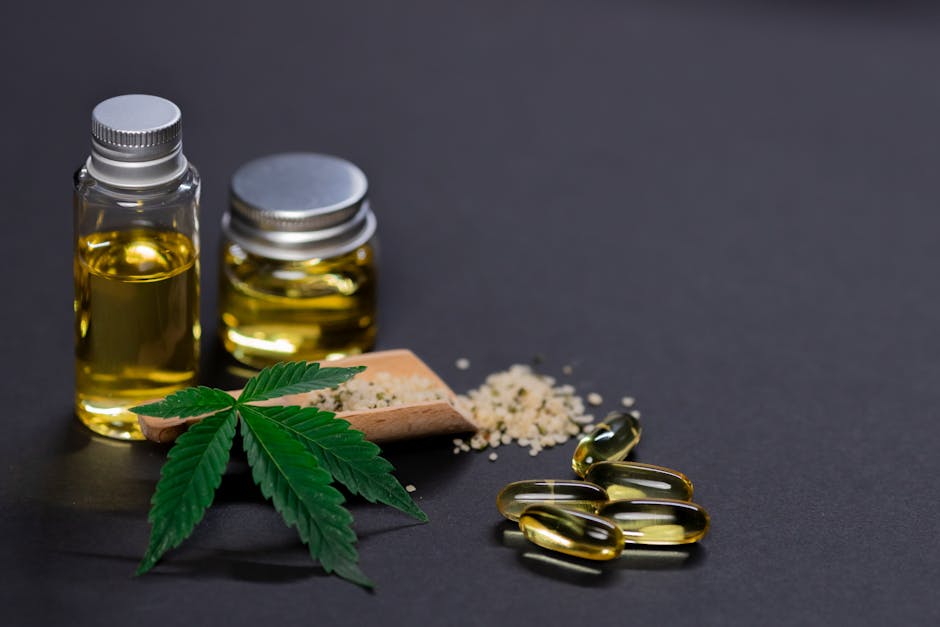
The guidance is clear: medical cannabis is not a general-purpose remedy for parental burnout or anxiety. It is strictly reserved for a very narrow set of clinical conditions. According to UK health guidance, it is generally considered only when other treatments have failed and for specific issues like:
- Severe treatment-resistant epilepsy. Nausea and vomiting caused by chemotherapy. Muscle stiffness and spasms caused by multiple sclerosis (MS).
If you aren't living with these specific, diagnosed conditions, the NHS premiumjoy.com isn't going to be writing you a prescription. I’ve seen some confusion online where people conflate private clinics with NHS practice. For instance, while Releaf is recognized as the UK’s largest medical cannabis clinic and operates within the legal framework to help patients who do meet strict criteria, it’s important to remember that this is a specialized medical path, not a supplement you just "try out" because you’re having a bad week.
The Trap of the "Miracle Supplement" Culture
I get why we look for miracles. Between the constant connectivity of social media—where every TikTok or Instagram reel tells us we’re failing if we aren’t practicing elaborate self-care routines—and the actual demands of our kids, we are burned out. We are living in an era of "digital fatigue." Our brains never turn off because our phones are always dinging with reminders, notifications, and, yes, ads for things that claim to "fix" our patience levels.
Please, I am begging you: ignore the influencers telling you that a tincture or a specific brand of gummies will "reset your nervous system." Most of these claims are empty buzzwords. Wellness marketing thrives on your exhaustion. They bank on the fact that you’re too tired to read the clinical trials or investigate the source of the patient information. If a product sounds like it’s going to solve your parenting struggles overnight, it’s not science—it’s marketing.
10-Minute Recovery: What Actually Works
I’m not a fan of "just be mindful." That phrase is a slap in the face to a parent trying to stop a meltdown in the middle of a grocery store. Instead, I focus on 10-minute habits that actually shift your biology, even just a little. Here is how I manage my own recovery without buying a single "wellness product":
The 10-Minute "Device Detox"
If you want to reduce your mental load, start with your phone. You don't need a new app to track your mood; you need to stop the dopamine loops. Use your phone’s built-in settings—not a paid app—to do this:
- Turn on Grayscale: Go to Accessibility > Display & Text Size > Color Filters. Turn it on and set to Grayscale. Suddenly, that bright, addictive Instagram interface looks boring. You’ll spend less time doom-scrolling. Schedule "Do Not Disturb": Don't rely on willpower. Set it to block all non-essential notifications from 8:00 PM to 7:00 AM.
The 10-Minute "Brain Dump"
Often, our lack of patience comes from "open loops" in our brains. I take 10 minutes every evening to write down every single thing I’m worried about for tomorrow. Once it’s on paper, my brain is allowed to let it go. It’s not magic, but it creates enough space to actually get to sleep.
Comparison: Real Evidence vs. Social Media Myth
It’s easy to get lost in the noise. Here is a breakdown of what the data says versus what the "wellness" side of social media claims.
Concept The Social Media/Influencer Claim The NHS/Clinical Reality Medical Cannabis "Helps with all stress and parenting fatigue." Strictly for severe, diagnosed medical conditions. Mental Load "Buy this supplement to fix your focus." Requires system-wide changes, not a pill. Emotional Regulation "Just be mindful/breathe." Requires structural support and adequate rest. Recovery "Spend money on expensive kits." Prioritize sleep hygiene and digital boundaries.If-Then Plans for When You’re at Your Limit
When you feel the rage or the absolute exhaustion creeping in, you need a plan that doesn't require complex thinking. Use these if-then scripts to keep your sanity:
- If the kids are fighting and I feel my heart rate spiking, then I will step into the bathroom, turn on the cold tap, and splash water on my face for 60 seconds. If I’m tempted to check my phone to "relax" after a hard day, then I will put the phone in a drawer and read one physical page of a book instead. If I feel overwhelmed by my to-do list, then I will pick the one thing that must happen today and ignore the rest until tomorrow.
A Note on "Premium Joy" and Realistic Expectations
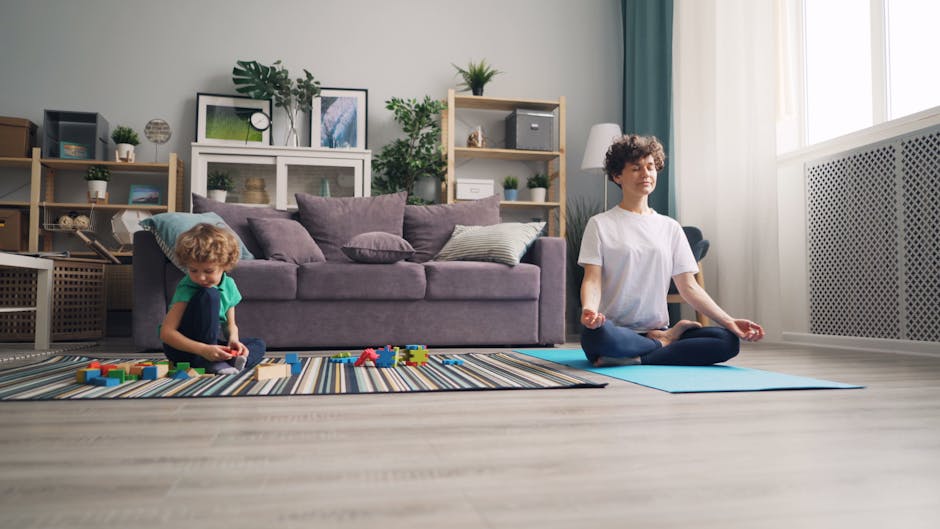
I talk a lot about finding small pockets of joy—what I sometimes call Premium Joy. It’s not about buying expensive items; it’s about claiming those 10 minutes of silence, or the cup of tea that you actually manage to drink while it’s still hot. If you find yourself constantly searching for an external tool to make parenting easier, take a step back. Ask yourself: am I looking for a tool, or am I looking for permission to rest?
Parenting is hard because it *is* hard. It’s not because you’re doing it wrong or because you aren’t taking the right supplement. The NHS medical cannabis guidance is there for people who have serious, diagnosed health conditions—not to act as a crutch for the everyday, grueling, beautiful work of raising humans.
Final Thoughts: Don't Buy the Hype
If you see a post about a miracle cure, ask yourself who benefits from you buying it. Usually, it’s not you. Stick to the evidence. If you are genuinely struggling with your mental health, please speak to your GP. They can provide actual, clinical patient information that is tailored to your specific history, rather than a one-size-fits-all solution found in a targeted social media ad.
We are all tired. We are all stretched thin. But we are smarter than the algorithm. Protect your time, guard your peace, and if you’re going to spend 10 minutes on anything today, make it a walk outside or a conversation with a friend, not a scroll through a wellness influencer’s sales pitch.
Stay grounded, keep your routines simple, and remember: you are doing a better job than your phone says you are.