Ever notice how one of the most common worries new parents have is whether their baby is warm enough. If you’ve ever checked your newborn’s hands and felt them cold, you might instantly panic. After all, we instinctively associate cold hands with being chilly. But is cold hands newborn normal? How can you tell if your baby is comfortable or needs an extra layer? And what’s the best way to keep them warm without overheating?
As someone who's helped many friends prep for their first baby over eight years of parenting and lifestyle blogging, I can tell you that this is a totally natural concern—but one that’s easily sorted with a little know-how. In this post, I’ll explain why babies’ hands often feel cool, how to correctly do a baby warmth check, and share practical tips on newborn layering and wardrobe essentials. I’ll also guide you through avoiding overheating—a very real danger—and where to find reliable advice, including from trusted sources like the NHS and 3 Little Crowns.
Why Are My Baby’s Hands Cold? Is That Normal?
Babies often have cold hands and feet, especially newborns. This is completely normal and happens because:. (note to self: check this later)
- Circulation is still developing. Newborns focus blood flow on their core organs to keep their vital parts warm, so extremities naturally feel cooler. The skin is thin. Baby’s skin is much thinner than ours, so it loses heat more quickly. Their metabolism is adjusting. Newborns haven’t yet mastered regulating body temperature as efficiently as adults.
So, cold or cool hands do not necessarily mean your baby is cold or uncomfortable. In fact, their hands and feet will often feel colder than the rest of their body without any cause for concern.
What to Do Instead of Looking at Hands
Instead of relying on hand temperature, the NHS recommends checking your baby’s neck, tummy, or back. These areas give a better indication of their true body warmth. Here’s a quick, practical way to do a baby warmth check at home:
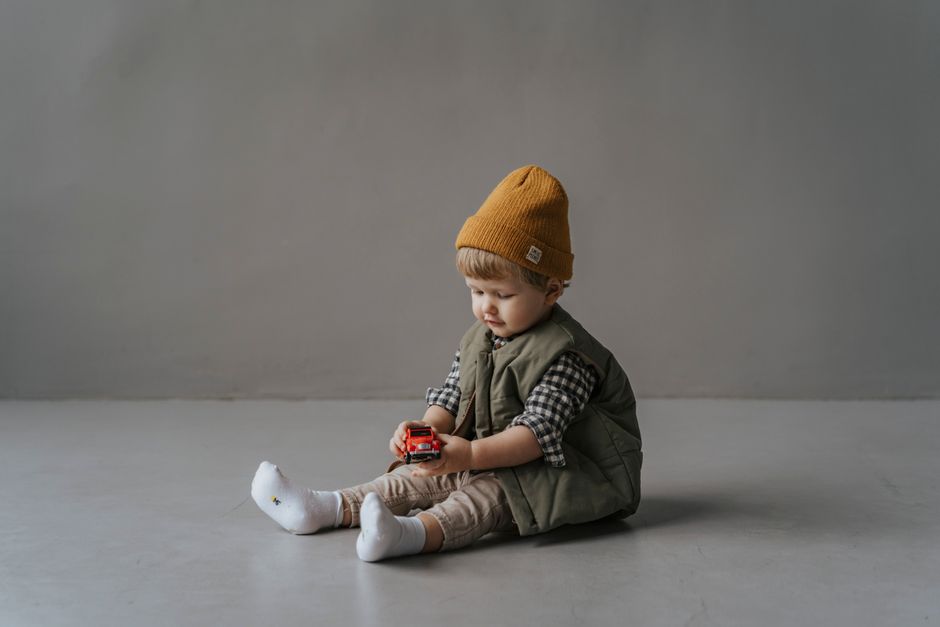
This simple step takes away a lot of unnecessary stress. Always trust the neck or torso check over chilly fingers or toes.
The Right Newborn Wardrobe: Practical Over Pretty
When preparing your baby’s wardrobe, it’s tempting to pick out cute outfits with tiny mittens and booties to keep the little fingers and toes warm. But practicality beats cuteness every time when it comes to infant warmth. Here’s what really helps:
- Think layers. Babies regulate temperature best when you can add or remove layers depending on the weather. Skip gloves and socks in the house. Your baby won’t usually need mittens or socks indoors unless they’re very cold. It’s better to leave their hands and feet free for natural movement, which also helps circulation. Choose cozy but breathable fabrics. Think soft cotton or bamboo; these materials trap warmth but allow airflow to stop overheating. Focus on core layers. Vests and sleepsuits provide a snug, comfortable base layer to keep heat close to their body. Have waterproof layers handy. Outer layers like baby sleeping bags or wearable blankets are great for chilly nights or unpredictable weather.
Brands like 3 Little Crowns specialise in soft, simple, and practical baby clothing that prioritises warmth and comfort without sacrificing style.
Stocking Up on Vests and Sleepsuits
You’ll want a ready supply of buying baby clothes before birth these basics because newborns can go through clothes quickly. Spit-ups, diaper leaks, and feeding messes mean having plenty on hand is a lifesaver. Here’s what to aim for:
Item Quantity to Have Ready Why Short-sleeve or long-sleeve vests (depending on season) 6-8 Nice base layer to keep baby warm all day and easily changed Sleepsuits (with feet) 6-8 One-piece convenience; great warmth and covers hands/feet naturally Cardigans or lightweight jumpers 2-3 Layer in cooler weather; easily removed if baby gets too warm Sleeping bag or wearable blanket 1-2 Keeps baby warm overnight safely without loose blanketsLayering Newborns for Unpredictable Weather
The weather in the UK can be surprisingly changeable, even within the same day. That’s why layering is your parenting superpower when it comes to baby wardrobes. Here’s a simple approach you can follow:

You don’t usually need mittens or socks unless it’s really cold. Instead, layers perform better because they allow you to adjust without overheating your baby.
Understanding Baby Temperature Safety and Overheating
Parents often worry about their baby getting cold, but it’s also important to know about overheating, which can increase the risk of sudden infant death syndrome (SIDS).
Signs your baby may be overheating include:
- Flushed, hot skin Sweating—especially on the scalp or back of the neck Restlessness or increased crying Rapid breathing Feeling hot when you check the back of their neck or tummy
To avoid overheating:
- Choose lightweight ( tog-rated) sleepsuits and sleeping bags appropriate to the room temperature. Don’t overdress your baby. One more layer than you would wear is usually enough. Keep room temperature at a comfortable level (around 16-20°C or 61-68°F). Use a baby monitor with a room thermometer if you want peace of mind.
Always remember — if you’re worried your baby is too hot or cold, the best place to check is the back of their neck or tummy.
Final Tips and a Handy Checklist for Nighttime
Running out of baby layers in the middle of the night or discovering your little one is too hot or chilly when you go back to check can tempt panic. Keep these essentials at arm’s reach:
- Extra sleepsuit or vest Light cardigan or jumper Warm sleeping bag with suitable tog rating Room thermometer or baby monitor with temperature check Waterproof sheets or mattress protectors for unexpected leaks
By preparing ahead, you reduce those 2am scramble moments significantly.
Key Takeaways
- Cold hands on newborns are normal and don’t necessarily mean your baby is cold. Always do a baby warmth check by feeling your baby’s neck or tummy for warmth and dryness. Dress your baby in layers using practical basics like vests and sleepsuits rather than focusing on gloves or socks. Be mindful of overheating—avoid too many layers and maintain a comfortable room temperature. Stock up on essentials from reliable sources (try 3 Little Crowns for practical baby clothes).
Hopefully, this guide gives you confidence to calmly check on your baby without unnecessary stress over cold hands. Trust your instincts, use the neck and tummy warmth test, and dress your baby practically. Your little one’s comfort means less worrying for you and more time enjoying those precious newborn cuddles.
For further detailed advice, always refer to trustworthy sources like the NHS and 3 Little Crowns blog. ...you get the idea.