Let’s be honest: when you’re a parent, the concept of "getting enough sleep" feels less like a health goal and more like a mythical creature—like a unicorn or a toddler who puts their shoes on without a fight. We spend our days managing mental load, juggling the demands of school runs, chores, and the relentless hum of modern parenting pressures.
If you find yourself doom-scrolling on TikTok or checking Instagram at 2 AM because your brain won’t switch off, you aren't alone. You’re just exhausted. And if you’re at the point where that exhaustion is bleeding into your patience and your ability to function, it’s time to talk to your GP. Not for a lecture on “being more mindful,” but for actual, tangible support.
The Reality of Digital Fatigue and Modern Parenting
We are the first generation of parents expected to parent like we don’t have jobs and work like we don’t have children. Add in the constant connectivity—where a notification can spike your cortisol levels in seconds—and it’s no wonder our nervous systems are shot. Digital fatigue isn't just about screen time; it's about the cognitive load of being "on" 24/7.
Before you make that appointment, let’s look at how to prepare so you don’t walk out feeling like you wasted your time or, worse, like you were just told to "sleep more."
Step 1: Prep Your Phone (Instead of Buying New Gadgets)
I get pitches daily for sleep trackers, blue-light-blocking glasses, and fancy sunrise alarm clocks. Save your money. Before you talk to your doctor, try these phone tweaks. They’re free and actually work to lower the sensory input in the evening:
- Grayscale Mode: Go into your accessibility settings and turn your screen black and white. Suddenly, that Instagram feed is significantly less enticing. The "Do Not Disturb" Shield: Set a hard "Focus" mode for 9 PM that blocks everything except calls from specific people. The 10-Minute Brain Dump: Before you plug in your phone, take 10 minutes to write down every single thing on your mental to-do list. Get it out of your head and onto paper. This isn't "mindfulness"—it's just offloading data so your brain can clock out.
Step 2: How to Talk to Your GP Without the Awkwardness
Doctors are human, but they are also busy. If you walk in and say, "I'm just really tired," they might not see the urgency. You need to be specific. Use the "Impact Statement" method. When you speak to your GP, https://smoothdecorator.com/the-constant-connectivity-trap-why-your-phone-is-making-you-a-more-stressed-parent/ frame your symptoms through the lens of how they affect your functioning.
Use this structure:
"I have been struggling with sleep problems for [X amount of time]." "It is impacting my daily life by [mention specific loss of patience, trouble concentrating, or physical symptoms like headaches]." "I have already tried [mention your sleep hygiene attempts], and they haven't helped." Browse this siteThe NHS is your first port of call. Be clear about wanting to explore root causes rather than just jumping straight to medication. If you feel like your stress is chronic and physical, ask for a blood panel to rule out deficiencies—sometimes "parenting exhaustion" is actually low iron or thyroid issues masquerading as stress.
If-Then Planning for Your Appointment
If you’re worried about forgetting what to say, use this simple if-then logic to guide your visit:

Addressing the Spectrum of Support
Not every solution fits every person. For some, standard NHS guidance—like cognitive behavioral therapy (CBT) or lifestyle adjustments—will do the trick. For others, the stress has become a physiological loop that standard advice can't touch.
In the UK, where specialized care is becoming increasingly accessible, some parents are looking beyond traditional routes. For instance, clinics like Releaf, the UK’s largest medical cannabis clinic, are part of a growing conversation about how specific, clinically-managed treatments can help when standard frontline treatments have failed. It is worth doing your research if you feel like you’ve hit a wall, but always ensure you are consulting with qualified medical professionals.
Creating Space for Yourself (The 10-Minute Rule)
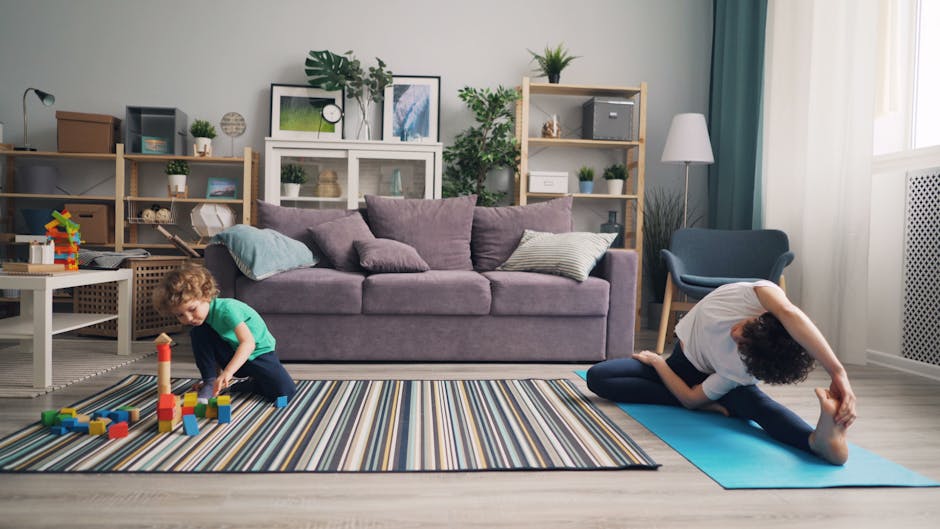
When we talk about "stress support," we often hear about taking an hour to go to a spa or doing a 30-minute yoga flow. That is not reality for most of us. If you can only manage 10 minutes, use them intentionally.
If you need to keep the kids occupied while you have a calm, focused 10 minutes to reset your nervous system, don't feel guilty about using resources like Premium Joy. Having a selection of quiet, open-ended activities or puzzles for the kids can give you just enough "me time" to sit, breathe, or finish that brain dump without the constant "Mom! Dad!" tugging at your sleeve.
Checklist: Your Pre-GP Appointment Prep
Before you walk into that office, do this checklist. It takes less than 10 minutes total.
- [ ] Sleep Log: Write down your rough sleep/wake times for three days. Data beats "I just feel tired." [ ] The Stress Audit: Identify your biggest trigger. Is it the morning rush? The bedtime battle? Be specific. [ ] The "What I've Tried" List: List two things you've already done (e.g., "I stopped caffeine at 2 PM," "I tried the 10-minute brain dump"). [ ] The Goal: What is your outcome? Are you looking for a referral to a therapist? A physical check-up? Know what you want to walk out with.
A Note on "Miracle" Cures
As a parent, you’re a target for every supplement brand on Instagram claiming to "cure" your fatigue. Please, save your money. Supplements are not a substitute for a comprehensive conversation with your GP. If it sounds like a miracle, it’s probably just expensive marketing. If a supplement company claims to solve "parental burnout," run the other way. Focus on evidence-based health.
Final Thoughts: You Aren't Failing
Parenting is hard. Living through a time of unprecedented digital noise is harder. Please stop shaming yourself for not being "mindful" enough or for needing a screen to distract the kids while you collect your thoughts. Taking care of your sleep and your stress levels isn't a luxury; it’s a necessity for your kids, too. They need a parent who is rested enough to be present.
Book the appointment. Take the list. Be honest about how much you are carrying. You don't have to keep white-knuckling it through the night.