Self-care has become a buzzy, multi-billion-pound industry, overflowing with promises of quick fixes and miracle cures. As a UK lifestyle editor with over a decade covering health habits, I’ve seen the landscape evolve—from genuine wellness routines to marketing-fueled fads promoting gadgets, supplements, and products often sold as “essential” for better living. But amidst all the noise, many which product reviews wonder: how long does it actually take for a self-care habit to feel normal? How do you build something sustainable, without falling for every trending product or confusing terminology along the way?
Why Does Habit Formation Matter in Self-Care?
First, let’s dial back to basics. Before jumping on any product or new routine, it’s crucial to ask yourself, what problem is this solving? Self-care isn’t a one-size-fits-all checklist; it’s about creating consistent actions that improve your well-being in a manageable and meaningful way.
Which?, the UK's independent consumer champion, often stresses the value of evidence-backed, simple routines over complicated or expensive regimens. From their independent reviews to expert recommendations, the consensus is clear: consistency beats complexity.
Building a habit means creating a routine that you can realistically stick to, even on your busiest days. This sense of normalcy—when a habit feels automatic rather sleep hygiene tips than a chore—is key to long-term benefits. But how long does this take?
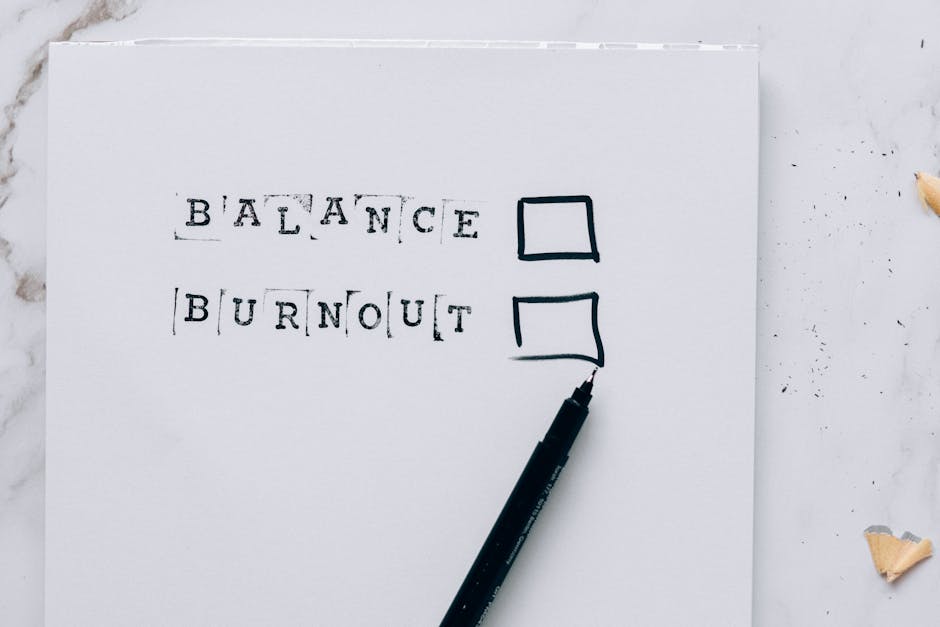

The Science: How Long Does It Actually Take to Build a Habit?
You might have heard the “21 days to form a habit” rule, but this is a simplification. Research published in the European Journal of Social Psychology suggests that, on average, it takes about 66 days for a new behavior to become automatic. However, this number varies hugely depending on the individual and the habit.
- Simple habits like drinking a glass of water in the morning may take 18-30 days. More complex habits, such as starting a new exercise routine or meditation practice, can take 2-3 months or longer.
Key takeaways?
Be patient and compassionate with yourself. Prioritize small, manageable changes over radical overhauls. Consistency—even imperfect—is more important than perfection.Why the “Boring Basics” Win Every Time
Massive companies like Releaf (releaf.co.uk) offer a range of products promoting relaxation and wellness. While such companies often curate helpful tools—from CBD oils to relaxation exercises—it’s worth remembering that the foundational routine elements generally deliver the biggest impact.
Whether it’s getting enough sleep, staying hydrated, moving your body in a way that feels good, or simply stepping away from screens each day, these “boring basics” outpace flashy gadgets or supplements in sustaining well-being.
Social media feeds are stuffed with testimonials touting trendy devices or supplements as “life-changing.” But independent reviews and consumer watchdogs like Which? highlight how many products fail to deliver measurable benefits or come with confusing claims.
Beware the Commercialisation of Self-Care
The self-care industry sometimes thrives on creating problems—or anxieties—that products claim to solve. For example:
- "Feeling stressed? Buy this ergonomic gadget." "Battling low energy? Here’s a supplement to fix it." "Trouble sleeping? Try this CBD oil."
While these products can complement a routine, marketers often exaggerate their effectiveness or gloss over practical lifestyle factors. This is not to dismiss all self-care-oriented products—some genuinely help—but a skeptical, fact-checking approach combined with a focus on routine-building is wiser.
UK Legal Context: THC Edibles vs. CBD Products
A confusing area for many is the legal status and effect of cannabis-derived products. Social media has accelerated interest but often blurs important lines:
Product Composition Legal Status in the UK Typical Use THC Edibles Tetrahydrocannabinol (psychoactive compound) Prescription-only, illegal to sell or possess otherwise Medical cannabis prescribed for certain conditions CBD Products Cannabidiol (non-psychoactive) Legal if it meets strict standards (trace THC only) Wellness supplements, relaxation supportMany brands like Releaf operate legally within these limits, offering CBD products that may support relaxation or better sleep. However, it’s crucial not to confuse these with prescription-only medical cannabis, which includes THC and is tightly regulated by UK law.
For those considering cannabis for medical reasons, always consult a healthcare professional to understand the appropriate legal and safe options, rather than seek unregulated products online or in “grey” markets.
How to Build a Self-Care Habit That Lasts
With all this context in mind, here are practical steps to make a self-care habit feel normal and sustainable:
Define Your Why: What specific well-being goal are you aiming for? Stress relief, better sleep, more energy? Clear goals prevent you from chasing every shiny thing. Start Small: Aim for a routine that takes 5-10 minutes daily instead of an hour-long ritual you dread. Choose Simple, Evidence-Backed Actions: Basic hydration, short walks, mindfulness breathing—even sharing feelings with a friend. Track Progress: Use a journal, app, or calendar—consistency grows motivation. Expect Fluctuations: Life gets busy. Missing days is normal. What counts is getting back on track. Research Thoroughly: Before buying a product—whether a new wellness gadget or a CBD supplement—look at independent reviews and consumer reports like Which? to check for credibility. Consult With Professionals: Especially for supplements or medical cannabis, talk with healthcare providers to understand suitability and legality.What To Avoid in Your Self-Care Journey
- Falling for Miracle Claims: No single product erases stress or fatigue overnight. Overloading Your Routine: Trying to do too much leads to burnout and guilt. Confusing CBD with Medical Cannabis: Understand your options clearly, especially regarding UK laws. Pressurey Self-Care Lists: Social media checklists can create unnecessary pressure to “do more.” Keep it realistic.
Final Thoughts
Building a self-care habit that feels “normal,” natural, and beneficial is a process that requires patience, consistency, and a focus on fundamentals. While the self-care market will continue to introduce new products and concepts, remember that the real power often lies in simple, repeatable routines.
Leveraging independent reviews from organisations like Which?, understanding the UK's legal stance on wellness supplements like CBD, and returning to the “boring basics” will help you develop habits that survive beyond trends and busy weeks.
So, how long does it take for self-care habits to feel normal? Give yourself at least 2 months, be kind to yourself during the process, and prioritize actions that truly solve your personal wellness needs.