The world of cannabinoids—natural compounds found in the cannabis plant—is expanding rapidly. From CBD oils to newly discovered minor cannabinoids, innovation is outpacing the regulation designed to keep consumers informed and safe. For writers, bloggers, and marketers in the UK, this presents a challenge: how to discuss these substances clearly and responsibly without stepping into the legal grey area of making health claims.
In this post, we’ll explore why regulation lags behind innovation, the resulting uncertainties consumers face, and how you can practise responsible writing about cannabinoids in the UK. We’ll also highlight how platforms like Facebook and X (formerly Twitter) influence the conversation and policies around cannabinoid content. Our goal is to equip you with practical guidelines to avoid health claims and maintain trust while navigating this complex topic.
Why Writing About Cannabinoids Is Tricky Right Now
Innovation Outpaces Regulation
Cannabinoids were once a niche topic confined to medical research and hemp-derived products. However, recent years have seen a surge of new cannabinoid products entering the market—from well-known ingredients like CBD (cannabidiol) to novel compounds such as CBG (cannabigerol), CBN (cannabinol), and more obscure variants. This rapid innovation creates fresh consumer interest and curiosity.
Unfortunately, official regulation struggles to keep up. While bodies like the UK’s Food Standards Agency (FSA) have issued some guidelines—such as Novel Food authorisations for CBD—the vast majority of cannabinoids have yet to be thoroughly evaluated or formally approved. The scientific research required to underpin claims is often in its early stages or inconsistent, leaving regulators cautious.
Regulation Is Reactive and Slow by Design
Regulators in the UK and elsewhere are generally reactive, not proactive, in their approach to emerging substances. New products undergo formal evaluations that can take months or years. This cautious pace is intentional: it aims to balance innovation with consumer protection.
For writers, this means the regulatory landscape is a moving target. What may be legal early adopter risks today could become restricted tomorrow, and vice versa. This latency also explains why many legal definitions—such as which cannabinoids are classed as food supplements versus controlled substances—remain fluid.
Grey-Area Products and Consumer Uncertainty
Many cannabinoid products currently available occupy grey areas. For example, is a tincture labelled as “hemp extract” legally a supplement, a cosmetic, or a medical product? Without clear classification, consumers often do not understand what they’re buying, and sellers may inadvertently overstep legal boundaries.
This uncertainty elevates the responsibility of writers and marketers. When underlying product legality or scientific consensus is shaky, the safest path is to clearly communicate these uncertainties to readers instead of making definitive or therapeutic claims.
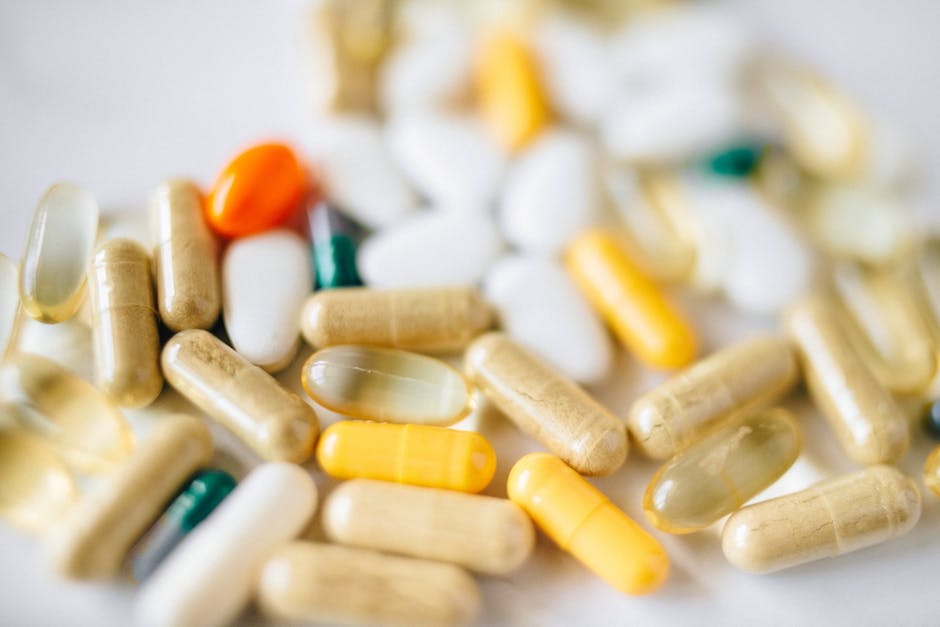
Novel Cannabinoids and Legal Ambiguity in the UK
Some cannabinoids newly isolated and sold in the UK—like THCV (tetrahydrocannabivarin) or CBDV (cannabidivarin)—are barely touched by current legislation. This “wild west” status means:
- Products might lack official Novel Food authorisation Health or medical efficacy is not evaluated Platforms may arbitrarily restrict related content based on policy or misinformation
Understanding these ambiguities lets you frame content responsibly, avoiding concrete promises and instead focusing on the science status, regulatory context, or consumer experience anecdotal reports.
Key Principles to Avoid Health Claims When Writing About Cannabinoids UK
Health claims are specific statements that a product can prevent, treat, or cure a disease or medical condition. The UK’s Food Standards Agency and Medicines and Healthcare products Regulatory Agency (MHRA) have strict rules prohibiting unsubstantiated health claims.
Here’s how to write responsibly while avoiding making health claims:
1. Use Responsible Language
- Qualify statements: Instead of “CBD cures anxiety,” say “Some users report that CBD may help with anxiety.” Stick to facts and widely accepted findings: Example, “CBD is a non-intoxicating cannabinoid derived from hemp.” Avoid superlatives and guarantees: Words like “proven,” “guaranteed,” or “clinically effective” are red flags.
2. Emphasise Regulatory Status
Clarify that many cannabinoids and products have not been formally authorised or scientifically verified:

- “Currently, this cannabinoid lacks Novel Food authorisation in the UK.” “Government agencies have not approved this product to prevent or treat health conditions.”
3. Use Consumer-Focused Perspectives
Sharing user experience without medical endorsement helps skirt health claims. Examples include:
- “Many consumers choose this product for general wellbeing.” “Reviews describe a calming effect, although evidence is anecdotal.”
4. Reference Trusted Sources and Avoid Marketing Spin
Link to reputable institutions—such as the FSA, NHS, or MHRA—for official guidance, and avoid isolated studies or non-peer-reviewed claims. Never conflate preclinical or animal research with proven human health benefits.
5. Disclose Legal Ambiguities
When discussing novel cannabinoids or products in a grey area, openly state the legal uncertainties:
- “The legal classification of this cannabinoid in the UK is currently unclear.” “Consumers should exercise caution and consult healthcare providers when considering use.”
Social Media Platforms and Cannabinoid Content
Facebook’s Approach
Facebook has strict community standards limiting posts about drugs and drug-related products. Although CBD derived from hemp is often allowed, posts making explicit health claims about cannabinoids tend to be removed or demonetised. Marketers and writers should:
- Use neutral, educational language without health promises. Monitor changes in policy, which can be sudden and apply unevenly. Avoid selling directly on Facebook unless fully compliant.
X (Twitter) and Cannabinoid Discussions
Twitter’s content policies prohibit promotion of illegal drugs and unapproved pharmaceuticals but are generally more permissive for discussions about cannabinoids, especially in jurisdictions where certain products are legal. However, misinformation rules apply, so authors must:
- Steer clear of unfounded claims about curing or preventing diseases. Engage in factual or balanced conversations about new research or legislation. Clearly state if content is opinion or anecdotal.
Practical Tips for Writing About Cannabinoids UK
Always Research Current UK Regulations: The FSA website is the most reliable source for status updates on Novel Food authorisations and health claims. Use Disclaimers Liberally: Phrases like “This information is not medical advice” or “Consult a healthcare professional before use” set appropriate expectations. Focus On Education: Break down cannabinoid types, extraction methods, and consumer experiences rather than therapeutic outcomes. Stay Updated on Policy Changes: Follow regulator announcements and social media platform guidelines regularly. When in doubt, wait: Avoid publishing new claims or product endorsements until you’ve verified legal and scientific status.Example Paragraphs Using Responsible Language
Incorrect (Health Claim) Responsible Alternative “This CBD oil reduces chronic pain effectively.” “Some people report that CBD oil may help with managing mild pain, though scientific evidence is still emerging.” “Our CBG tincture cures anxiety and depression.” “CBG is a cannabinoid under study for potential effects, but it is not approved to treat anxiety or depression.” “Buy this product to prevent COVID-19 symptoms.” “This product is not authorised to prevent or treat any viral infections.”Conclusion: Navigating the Cannabinoid Content Minefield Responsibly
Writing about cannabinoids in the UK today requires a delicate balance. Innovation surges ahead, spawning novel products and compounds faster than regulators and researchers can keep up. This leads to legal grey areas and consumer uncertainty. Platforms like Facebook and X enforce their own content rules, often restricting posts that make health claims.
By using responsible language, emphasising regulatory contexts, relying on trusted sources, and avoiding unverified health assertions, writers can fill the knowledge gap without running afoul of laws or platform policies.
Remember: when in doubt, wait. It’s better to https://highstylife.com/what-questions-should-i-ask-before-trying-a-new-health-product/ delay publishing or marketing cannabinoid content until the evidence and legal status are clear than to risk misinformation or legal penalties. With careful attention and transparency, it’s possible to connect consumers with useful, accurate cannabinoid information while respecting the limits of current science and regulation.
```