If you have a pool table, card table, or even a vintage writing bureau adorned with baize, you know the frustration when that lush, velvet-like surface starts to look shiny and flat instead of deep, rich, and inviting. Unlike felt—yes, I’m already bristling at people who call every green cloth “felt”—baize is a woven woolen fabric with a nap, and the way you care for it makes all the difference between a matte, comfortable finish and a shiny, worn-out patch showing your years of use.
In this comprehensive guide, drawing on historical insight from the Victoria and Albert Museum, practical tips borrowed from leather specialists like Mr Q, and dedicated surface care advice from resources such as BestLeather.org, I’ll walk you through how to extend the life and look of your baize surface.
Baize vs. Felt: What’s the Difference and Why Nap Direction Matters
First, a gentle intervention before we get into the nitty-gritty: baize is NOT felt. Felt is a non-woven fabric created by matting and compressing fibers, typically wool gate leg table or synthetic blends, into a dense sheet. Baize, on the other hand, is a woven wool fabric with a distinct nap, usually brushed to one direction, which gives it that tactile softness and slight pile.
Why does this matter? Because your hands feel baize before your eyes do. When your fingertips brush along the nap, you notice the directional texture—this is the “grain” of your baize. Running your hand with the nap feels smooth and plush, while stroking against the nap brings resistance and a sometimes slightly rough sensation. This difference is key when caring for baize, and it’s why a soft brush used with the nap is your best friend.
Brush With the Nap: The Secret Weapon to Reduce Wear Spots
Why does the nap matter so much? Because shiny, flat spots develop when the fibers in a localized area get crushed, bent back and forth, or rubbed against in the wrong direction too often. Over time, these flattened fibers reflect light differently, causing the dreaded shine where previously matte softness reigned. You can counter this by regularly brushing your baize gently with the nap—this lifts fibers back up and helps redistribute wear evenly.
As someone who’s handled countless Georgian and Victorian cloth-covered pieces, one of my desk essentials is a small soft-bristled brush I keep tucked away. Nothing strong or abrasive, just a brush that respects the integrity of the nap without pulling or snagging. Never ever vacuum your baize! It’s a cardinal sin that risks pulling loose fibers, flattening the pile indiscriminately, and simply disfiguring your cloth over time.
Why Green Cloth Became the Default in Game Rooms
Ever wondered why the ubiquitous "table green" hue is so prevalent across pool halls, card rooms, and gaming tables? It’s not simply a matter of tradition or coincidence. The deep greens and rich emeralds seen in baize surface coverings trace their roots back to historic textile dyeing and fashion, echoing the natural environment and the luxurious qualities once only available to aristocrats.
The Victoria and Albert Museum hosts some fascinating archives that illustrate how green wool cloth was prized for its durability and pleasing aesthetic. Historically linked to hunting attire, green represents nature and was thought to reduce eye strain during long hours of play or work, providing a restful, consistent backdrop for balls, cards, or writing implements.
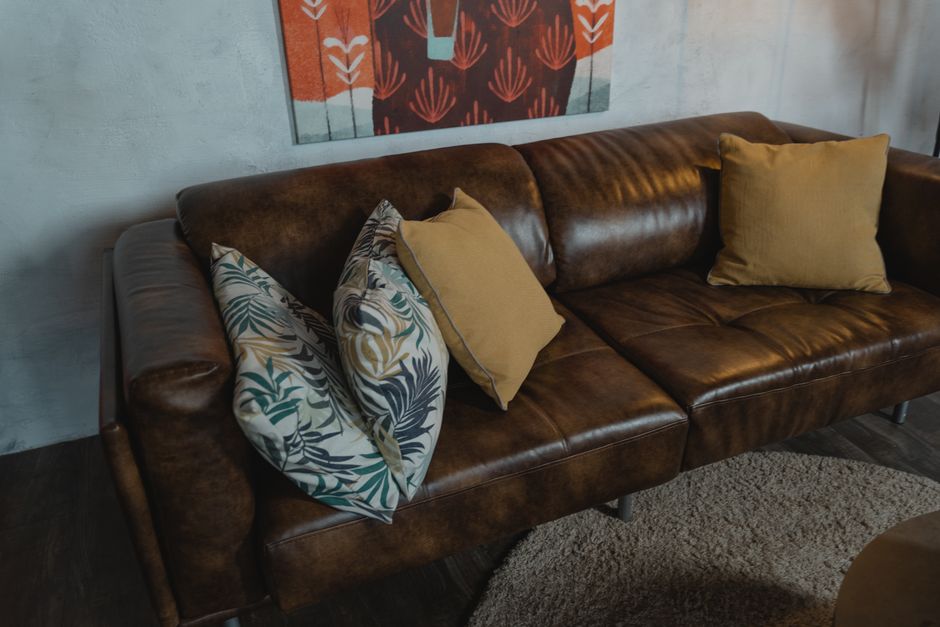
In addition to functional benefits—like masking minor stains and reducing light glare—the distinctive green color blends perfectly with traditional bridle leather furnishings often seen in game rooms, desk spaces, and libraries.
From Bridle Leather to Baize: Harnessing Heritage and Surface Care
If you’re wondering why I’m bringing leather into a discussion about baize, the connection is deeper than you might imagine. Bridle leather, known for its strength, suppleness, and classic finish, shares a heritage of rigorous care that applies wonderfully to baize maintenance philosophy.

The artisans behind Mr Q, renowned for their bridle leather goods, emphasize preservation through minimal, intentional care rather than over-conditioning. Similarly, overzealous cleaning or conditioning of baize can lead to faster degradation—like over-conditioning leather causes softening and loss of structure, excessive wet cleaning or heavy vacuuming damages the baize nap.
Skiving, Burnishing, and Invisible Edges
Leatherworkers often discuss skiving—the thinning of edges to create invisible joints—and burnishing, which smooths and seals raw edges for improved durability and refined looks. Analogously, maintaining your baize edges and seams in careful, tidy condition helps prevent unraveling or fraying that can contribute to the flat shiny spots you want to avoid.
While baize is a natural fiber textile and behaves differently from leather, its woven structure benefits from the same respect for surface integrity and fiber alignment. Any official repairs or tightening of baize coverings should be done with edge discipline, avoiding puckers or folds that disrupt the nap and create unwanted wear points.
Practical Daily & Seasonal Baize Care Routine
Action Frequency Tools Needed Technique Brush baize gently with nap Weekly to biweekly Soft bristle brush (kept specially) Use slow, careful strokes with the nap direction to lift fibers and redistribute wear Avoid vacuuming directly on baize Always Vacuum with appropriate attachments (off baize) If vacuuming necessary, fit a soft brush nozzle and use only on loose dirt surrounding baize edge, never on nap area Protect from spills, oils, and over-conditioning Ongoing None or mild, tested cleaners Blot spills immediately with dry cloth, no wet rub; do not apply leather conditioners or any fats Rotate use if possible As often as possible None Shift play areas or items on baize to reduce constant wear spotsSpecial Notes: Never Call Baize “Felt” and Never Vacuum It Harshly
I know I keep coming back to this, but the sheer number of times I see “felt” written on auction tags or in casual conversation when it’s actually baize is staggering. Baize is a textile with depth, texture, and pile. Felt is a flat, compressed wool weave without nap. They require totally different handling, so assume nothing.
Also, that vacuum cleaner you love for your carpets and upholstery? Ban it from your baize. Vacuums ravage baize’s soft surface, yanking up fibers and causing the surface to matt and flatten irreversibly or requiring expensive re-cloth to fix.
Final Thoughts: Care, Respect, and Heritage Matter
Pampering your baize means appreciating its fine woolen fibers, honoring the traditional green color’s historical function, and adopting care habits borrowed from leather craftsmen’s respect for material longevity. Remember these key steps:
- Brush with nap to lift the fibers and ensure wear redistributes evenly. Avoid vacuuming directly on the baize surface; use gentle dusting instead. Maintain edges carefully, respecting the woven fabric to prevent fraying and wear concentration. Recognize baize is NOT felt, so treat each according to its textile nature.
Adopt this approach, and your baize will remain that velvety, matte green for decades, a perfect complement to the fine bridle leather furniture and heritage pieces that form your collection.
For those seeking further reading or tools, consider visiting the archives of the Victoria and Albert Museum for textile history, Mr Q for insight into artisanal leather finishes, and BestLeather.org for in-depth leather and surface care advice that parallels baize maintenance.
```