There’s a familiar end-of-night scene: the game is over, the snacks are mostly gone, and someone says, “One more?” Then another round starts, the drinks get topped off, and suddenly your tidy little get-together has become a very late night. If you want guests to leave without making the goodbye feel abrupt, don’t wait until you’re tired to invent an ending. Build one into the evening.
The trick is to set expectations early, use the football broadcast as a natural event clock, and choose games that fit the time you actually have. A clear final round feels friendlier than a vague hint, and a little room setup can make the transition from playing to heading home much easier. Here’s how to host a relaxed gathering while still being able to avoid late night hosting.
Decide on the ending before guests arrive
Choose a realistic end time, then work backward. Think about when people are arriving, how long you want dinner or snacks to take, which parts of the game are worth watching, and how much time you want for board games. If you have an early morning, or you’re hosting in a small apartment where cleanup and bedtime are the same project, give yourself a firm stop.
Then tell people what kind of evening you’re planning. You don’t Bandpass Design The Dresden need to make it sound like a meeting invite. A simple message works: “Come by at six for the game and a couple of board games. I’m planning to wrap up around ten.” That lets guests plan rides and schedules, and makes the end time feel like part of the invitation—not a surprise after they settle in.
Setting expectations early also helps you avoid the awkward dance of hoping people will notice that you’re putting away snacks. If someone asks whether there’ll be another game after the broadcast, you can answer honestly: “We’ll have time for one short game after the final quarter, then I’m calling it.”
Use football as the event clock
Football gives you built-in checkpoints: kickoff, halftime, the start of the fourth quarter, and the final whistle. Use those moments to guide the evening instead of treating the game as background noise with no schedule. The NFL broadcast includes pauses and breaks that are useful for food, refills, and switching activities—but they’re not a reason to promise an extra hour every time someone says, “It’ll be quick.”
Plan the social rhythm around the broadcast. Put out the main food before kickoff, use halftime for a fresh snack or a brief stretch, and start closing down the gaming portion before the final moments of the game. If you want a board game to be the final activity, give it its own time window rather than waiting to see how long overtime lasts.
Football checkpoint Hosting move End-of-night benefit Before kickoff Welcome guests, point out the coat spot, and put out easy snacks. People get settled before the game begins. Halftime Refresh food, offer a quick drink refill, and name the next activity. It’s a natural pause to reset the room and the plan. Start of the fourth quarter Announce whether there’s time for a short game after the broadcast. Guests can tell how much evening remains. Final whistle Begin the last game—or begin goodbyes, depending on your plan. The event has a clear finish instead of drifting into another round.Match games to attention span and time windows
Picking a game is not just about what everyone likes. It’s also about how long it takes to explain, how much focus it requires, and whether players can leave without derailing the table. A big, strategic game may be perfect for a dedicated afternoon, but a risky choice when kickoff is in twenty minutes and half your guests are tracking the score.
Offer a small menu of options, not a pile of boxes. I keep the candidates to one quick game and one medium-length game. This keeps setup manageable and prevents the evening from turning into a debate over every game on the shelf. Most importantly, it avoids the dreaded box avalanche across the dining table and the living room floor.
Choose by the time you have left
- About 15 minutes: Choose something familiar, easy to teach, and easy to stop. A quick round can fit into a commercial break or a short lull, but don’t start it if the rules explanation alone will take longer than the game. About 30 minutes: Pick a compact game with a clear endpoint. Say how many rounds you’re playing before you begin. About 45–60 minutes: Choose a game with enough depth to feel satisfying, but confirm that the group wants to focus on it rather than half-watch the broadcast. Less than the advertised play time: Skip it. Game-box estimates aren’t a promise, especially with new players, snacks, and interruptions in the mix.
Be explicit before the first turn: “This is the last game, and we’re playing one round.” That one sentence prevents “one more” from quietly becoming a second game. If you’re hosting people with different levels of board-game enthusiasm, pick a title that doesn’t punish someone for stepping away to check the score or catch a ride.
Make the last game feel like a feature, not a cutoff
People are more willing to leave when the finish feels intentional. Give the last game a little ceremony: clear the snack plates, set out the game, and tell everyone what’s next. You might say, “We’ve got time for one final round, then I’m packing up and sending people home with leftovers.” That sounds warm and specific, not like you’re trying to eject the table.
It also helps to make the next step easy. If guests drove, mention when you’re planning to wrap up so they can beat the rush. If people are sharing rides, offer to help coordinate while the final round is winding down. And if you have leftovers, have containers ready before everyone is standing in the kitchen asking where the lids went.
Keep the party in one room
Contain the gathering to one main room whenever you can. That doesn’t mean guests have to sit in exactly one spot all night; it means the food, drinks, game, and broadcast have https://highstylife.com/how-do-i-host-a-holiday-game-night-without-trashing-the-whole-house/ a clear home. In a small apartment, use the living room and a nearby sideboard rather than opening every room to wandering cups, coats, and half-finished games. In a busy family home, designate the room where the event happens and make the rest of the house feel naturally off-limits.
Give coats a spot the moment people arrive. This is my first hosting move: point out the coat area before anyone drapes a jacket over a chair that will soon hold a game box. Then set out coasters where people can see them. A stack of coasters is not décor; it is a tiny, repeatable reminder that drinks belong on a surface and not balanced beside the cards.
A sideboard is useful for keeping the room organized. Put backup napkins, snacks, and non-game supplies there, rather than spreading everything across the playing surface. If you have a cooler, position it where guests can reach it without leaning over the board or crowding the person keeping score. The goal is fewer trips through the room and fewer reasons for someone to refill a drink over the game.
Use a spill-proof drink strategy for game tables
Board games and open drinks are not a natural pairing. Greasy snacks can mark cards, and a drink hovering over the board can undo an otherwise excellent night in half a second. You don’t need complicated rules. Make the safe option the convenient one.
Put coasters within reach. Set them beside every likely seat before guests arrive, rather than waiting for a cup to appear on the table. Give drinks a designated landing zone. Use the sideboard, a nearby counter, or a small table, especially when the game has cards or delicate components. Keep refills away from active play. Ask guests to refill at the cooler or drink station, not over the board. A clear route and an easy-to-reach setup make this feel practical, not fussy. Separate messy snacks from the game. Serve greasy or saucy food before play, or keep it on a separate surface. Put out a bowl of napkins and a small waste bin so players aren’t handling cards with snack-covered fingers. Use stable drinkware. Choose cups that sit securely and are less likely to tip. Keep them off the game surface when space allows.If the table is doing double duty, reset it between eating and playing. Clear the food, wipe the surface, and bring out only the components needed for the chosen game. A board game dining table can make the evening feel more comfortable and organized. The Dresden is one example to look at, and Bandpass Design is the company associated with it. Just keep the buying research separate from the party plan: the scraped text lists no prices for The Dresden table or any products, so don’t infer or quote a price from that material. Check current product information directly before making a budget decision.
Give guests a clear closing cue
As the planned end time approaches, don’t rely on subtle signals like standing near the door with a dish towel. Say what’s happening. “That’s our last round—thanks for coming over. I’m going to start clearing up now.” Or, if you’re using the broadcast as the finish: “When the game ends, we’re calling it for tonight.” A direct, friendly cue is kinder than slowly turning the lights off while everyone pretends not to notice.
Then start a short closing routine: stack the game pieces, ask for any borrowed cups, offer leftovers, and collect coats. Put away one game at a time so cards and pieces don’t migrate to the couch cushions. This is another reason to limit the number of boxes you bring out: there’s less to sort when it’s time to leave.
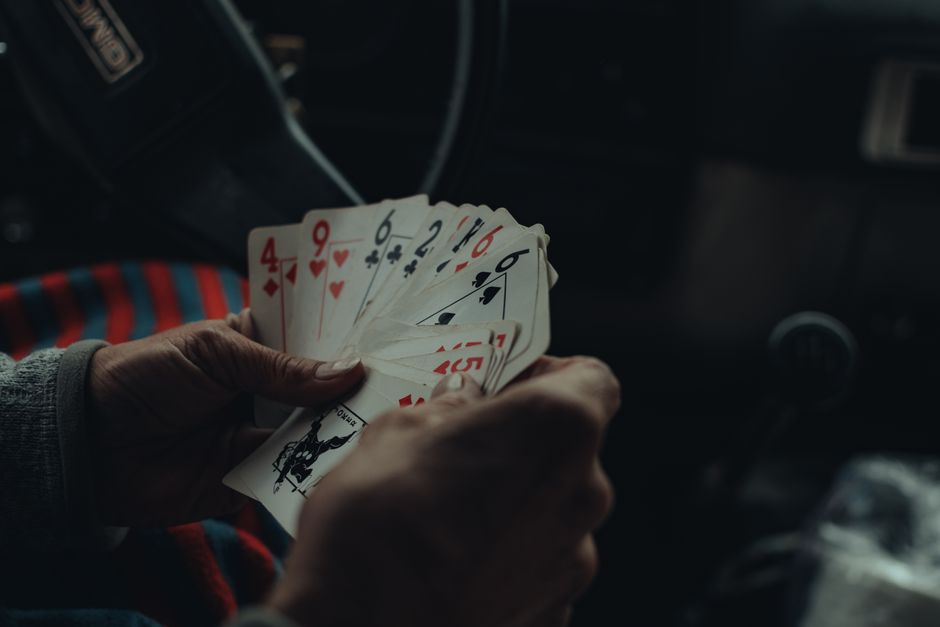

A simple last-game plan you can reuse
- Put the end time in the invitation and set expectations early. Use kickoff, halftime, and the fourth quarter as checkpoints—not invitations to extend the night indefinitely. Choose a game that fits the time window and the group’s attention span. Before play begins, announce last round and say exactly how many rounds you mean. Keep snacks, drinks, and the game organized in one room, with a cooler or sideboard set up to reduce traffic around the table. Make coasters and a safe drink zone obvious, and don’t allow refills over the board. Start the goodbye routine promptly so you can avoid late night hosting without making guests guess when the evening is over.
A good “last game” time isn’t a trick for getting people out the door. It’s a promise about the shape of the evening, made clear from the start and supported by a few thoughtful choices. Give the night a rhythm, pick games that fit it, and make the final round genuinely final. Your guests can enjoy the gathering without wondering when it ends—and you can enjoy hosting without discovering at midnight that the game is still going.