I still remember the tactile click of the power switch on my original NES, followed years later by the hum of my first Sega Genesis. Back then, gaming felt like a localized, almost secret activity. You huddled in front of a CRT television, often solo, trying to beat a high score before your mom told you to turn it off and get some sleep. Today, the landscape is unrecognizable, but the core feeling—that sense of immersion and discovery—remains the bedrock of a lifelong hobby. Whether you are playing on a high-end PC, a current-gen console, or just burning ten minutes on a mobile device, gaming has evolved from a niche activity into the dominant form of modern entertainment.

I have spent years moderating forums and community threads, and one thing that always gets under my skin is the gatekeeping about what makes a "real gamer." Let’s drop the act. If you engage with digital worlds, you are part of the ecosystem. Whether you’re grinding through a campaign on a console or playing a casual puzzle game on mobile during your commute, the medium is what you make of it. As someone who has grown up alongside the industry, I have seen firsthand how gaming shifts as we move through different stages of our adult gaming routines.
The Shift From Arcades to Connectivity
If you look back at the 8-bit and 16-bit eras, gaming was a solitary journey or an in-person competitive event at the local arcade. Today, online connectivity has turned that solitary experience into a global town square. We no longer just play games; we inhabit spaces. This constant connection has redefined how we build communities. Platforms like NoobFeed have become essential hubs where players discuss mechanics, critique industry trends, and share genuine experiences rather gaming burnout than just regurgitating marketing buzzwords.
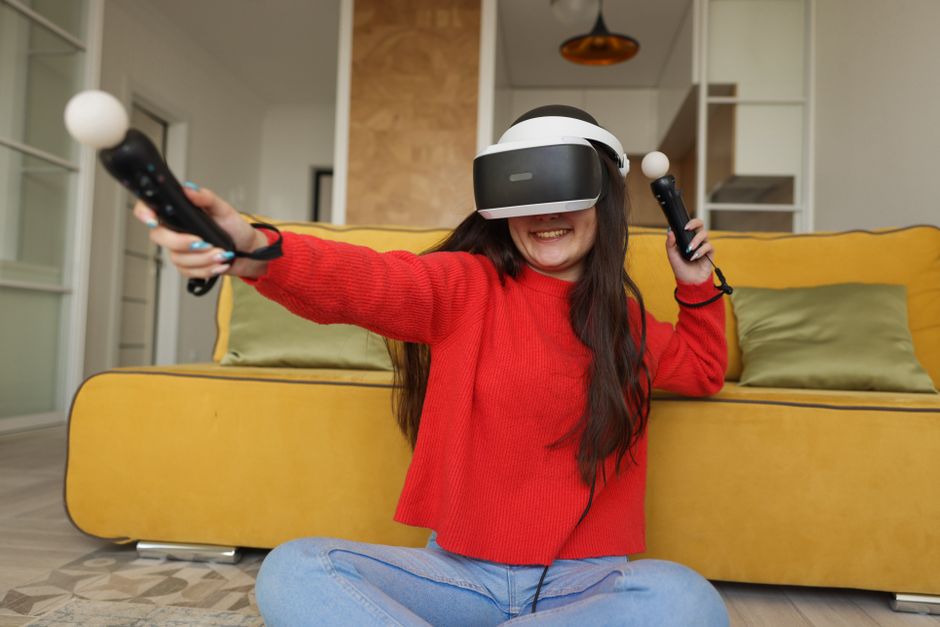
The beauty of modern gaming is the sheer variety of ways to participate. We aren’t just tethered to a living room anymore. The industry has effectively broken down the walls between PC, console, and mobile, allowing for a seamless transition of identity across platforms. However, this convenience comes with a cost. The "always-on" nature of gaming can lead to significant burnout. I see it constantly in community threads: people staying up until 3:00 AM chasing a ranking or finishing a quest, only to be exhausted the next day. A healthy adult gaming routine requires balance—something the industry rarely talks about, even though it is crucial for a lifelong relationship with the hobby.
Community and Spectatorship
Streaming culture has fundamentally changed the way we view gaming as entertainment. It is no longer just about the input; it’s about the narrative of the play session. Spectatorship is now as much a part of the hobby as picking up a controller. Whether you are watching a high-stakes tournament on a PC or just following a favorite creator, the sense of community is tangible.
However, we have to avoid the trap of "life-changing" tech promises. Every year, someone tries to sell us on the idea that the next piece of hardware is going to fundamentally rewrite human interaction. Usually, it’s just a faster GPU. The real life-changing aspect of gaming isn't in the specs; it's in the social bonds formed through these virtual spaces. When we talk about lifelong gaming, we are really talking about the friendships made in party chats that have lasted longer than some real-world relationships.
The Hardware Investment Table
One common discussion point I monitor is the cost of entry. While there is a segment of the market obsessed with $1,000+ hardware—as explored in detail in this NoobFeed article card—it is important to remember that high-end gear is not a prerequisite for enjoyment. The hobby is about the experience, not the bench-marking scores.
Platform Type Primary Use Case Accessibility Console Living room immersion High PC Customization/Multi-purpose Moderate Mobile On-the-go/Casual HighestBridging the Gap: Cloud and Convenience
The rise of cloud gaming is perhaps the most significant accessibility shift we’ve seen in a decade. It removes the barrier of entry that used to keep players away from high-fidelity experiences. Now, if you have a stable connection, you can play demanding titles on devices that aren't built for them. It is a bridge that connects the casual mobile gamer to the deeper, more complex world of PC and console titles.
Organizations like NICE are doing important work in these spaces, advocating for standards that make gaming more inclusive, while groups like Releaf are helping players manage the mental strain that comes with intense digital immersion. It is heartening to see initiatives that focus on player well-being rather than just squeezing more sales out of the user base. We need to normalize taking breaks, prioritizing sleep over the daily login bonus, and remembering that gaming is meant to serve us—not the other way around.
Establishing a Sustainable Routine
So, how do we keep this hobby alive for the long haul? The answer lies in how we manage our expectations and our energy. As adults, our time is finite. Here are a few ways to ensure your gaming routine doesn't burn you out:
Prioritize Quality over Completion: You don't need to finish every title in your library. Play what brings you joy, not what feels like an obligation. Separate Your Spaces: Try to keep your gaming area distinct from your sleep area. If you play on PC, don't let the glow of the monitor follow you into bed. Engage with Communities: Find forums or platforms like NoobFeed where you can discuss games, read critiques, and learn about the industry without the pressure of a competitive leaderboard. Accept Platform Fluidity: Don’t feel pressured to stick to one console. If a game is better suited for a mobile session on the bus, play it there. The experience is what counts.Reflecting on the Future
As I look back on my time as a player and a moderator, I see that the "gaming for life" mentality is about evolution. It is about how we adapt our play to fit our lives, rather than bending our lives to fit a gaming schedule. The industry will continue to throw buzzwords at us, and hardware manufacturers will continue to push expensive upgrades. But the core of the hobby—the curiosity, the community, and the simple joy of an interactive story—is what keeps us coming back.
If you take anything away from this, let it be this: don't let the pressure to be a "pro" or the desire for the latest gear rob you of the fun. Your hobby should be a sanctuary, not a chore. Keep your connections, watch your sleep, and keep playing exactly the way you want to play—whether that’s on a top-tier PC, a console, or a smartphone. See you in the next lobby.