I’ve been writing about tech and gaming for over a decade, and if there’s one thing that drives me up the wall, it’s the way the industry tries to repackage "playing a game" as a life-altering medical intervention. As someone juggling a job, a mortgage, and three kids who think my living room is a secondary school cafeteria, I don’t have time for corporate buzzwords or high-minded theories about "gamification of wellness."
I keep a notebook on my bedside table. It’s not a diary; it’s a sleep quality log. When I play a high-intensity competitive shooter at 11:00 PM, my sleep latency is usually garbage. When I spend forty minutes tending to a virtual garden or exploring a quiet map, my data—admittedly anecdotal—shows better rest. That’s not "mental recovery" in a clinical sense; that’s just stress regulation. So, let’s talk about what people actually mean when they say gaming helps them reset, and more importantly, what any of this actually changes for the normal player.
The Shift: From Performance to Presence
If I hear one more press release claiming that gaming https://bizzmarkblog.com/the-tug-of-war-why-gaming-communities-are-suddenly-obsessed-with-work-life-balance/ is only "real" when it involves a professional tournament, I’m going to lose it. The vast majority of people aren't trying to go pro. We’re trying to turn off our brains after a day of answering emails and breaking up sibling squabbles. "Mental recovery" in this context isn't about achievement; it’s about control.
In a world where we’re constantly hammered by notifications and external demands, gaming provides a space where the rules are consistent and the feedback loop is immediate. Whether you’re on a high-end console or a device that uses browser-based remote rendering to stream games directly to a tablet, the goal is the same: finding a pocket of agency.
What does this change for the normal player?
It changes the way we value our time. If you’re a parent like me, you aren't looking for a six-hour campaign. You’re looking for a twenty-minute window of "flow state." When you realize that gaming is a legitimate tool for stress regulation, you stop feeling guilty about "wasting time" and start viewing it as a deliberate way to close the cognitive tabs that are keeping you awake at night.
The Evolution of Digital Connection
We need to talk about how we hang out. Gone are the days when gaming was inherently solitary or strictly couch-co-op. The rise of community-based platforms like Discord has changed the architecture of our social lives. For many, these aren't just "gaming apps"; they are the modern equivalent of a community center or a virtual coffee shop.
I’ve spoken to clinicians who point out that having a space to exist alongside others—even if you’re just listening to a podcast together or playing a low-stakes puzzle game—is a massive buffer against loneliness. It’s not about the game; it’s about the "third place" energy. You’re not alone, but you don’t have to perform.
Streaming Culture: Companionship, Not Just Spectacle
A lot of the discourse around major video-sharing platforms focuses on the "creator economy" or the massive viewership numbers. But for the normal user, these platforms serve a different function. Many people treat these streams as "body doubling"—a concept where you work or relax https://dlf-ne.org/gaming-has-grown-up-why-its-more-than-just-a-teen-pastime/ while someone else is doing something similar in the background.

It’s the digital version of a radio show. It provides a sense of routine and predictability. If I’m doing dishes, I might have a stream running on my phone. It’s not about the skill of the player; it’s about the low-friction social presence. It’s a tool for relaxation that’s far more accessible than trying to coordinate a physical meet-up with friends who are also exhausted.
Context Esports Focus (The Hype) Relaxation Focus (The Reality) Objective Winning / Climbing Ranks Decompressing / Regulating Stress Social Needs Performance-based team dynamics Presence-based companionship Tech Requirement High-end rigs, low latency Accessibility (Cloud/Mobile/Browsers) Aftermath Adrenaline spike Mental offloadingMobile Gaming and the Myth of "Hardcore"
Let’s debunk a myth: "Real" gaming isn't defined by the hardware price tag. Mobile gaming has brought the concept of "mental recovery" to demographics that were previously excluded. If you’re a commuter or a primary caregiver, you aren't setting up a dual-monitor PC setup at 2:00 PM. You’re picking up a phone to play a session of a city-builder or a match-three game for ten minutes.
This accessibility is the biggest shift in the industry. It means relaxation isn't gated behind a massive financial barrier. However, I have to be the skeptic here: when we talk about health benefits, we need to be careful. I’ve seen some sites claim gaming is a "cure" for burnout. That’s a dangerous overreach. There are no clinical, peer-reviewed studies that suggest gaming is a replacement for therapy or proper clinical rest. Always look for regulatory bodies or actual healthcare providers for mental health advice—don't take it from a gaming blog, including this one.
The Technical Barrier to Entry: Cloud and Accessibility
I’ve been testing remote rendering services (cloud gaming) lately, and from a hardware perspective, it’s fascinating. By offloading the processing power to a remote server, the barrier to high-fidelity gameplay has been lowered significantly. You don't need a $2,000 rig to experience a visually stunning world anymore. For the average user, this means you can play on your laptop, your tablet, or even your smart TV.
Does this help with mental recovery? Absolutely. It reduces the "friction of play." If I have to update drivers, clear disk space, and wait for a patch before I can play for twenty minutes, I’m not going to play. I’m just going to doom-scroll on social media, which—let's be honest—is the absolute worst thing you can do for your stress levels.
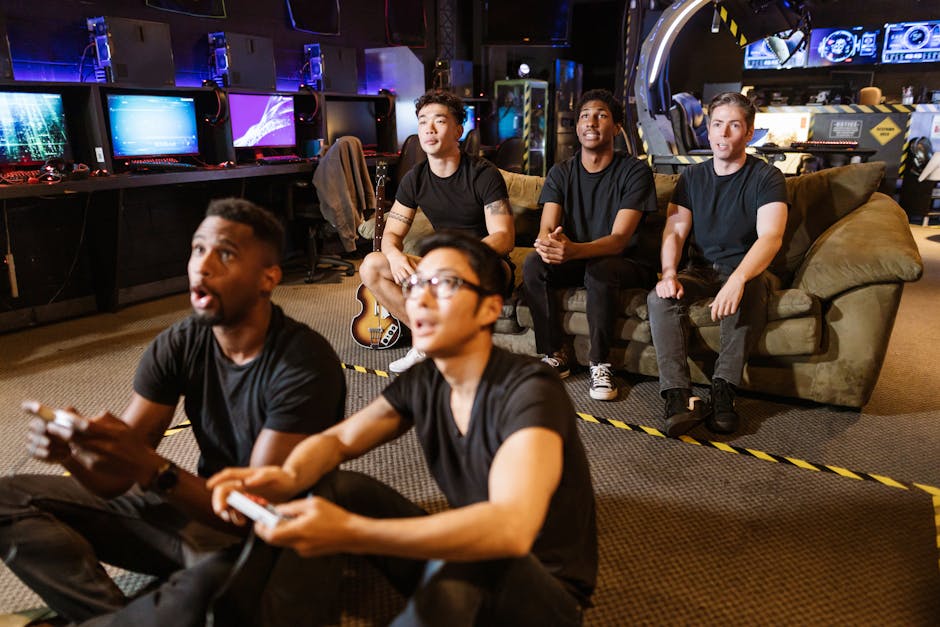
Practical Tips for "Relaxation Gaming"
If you're using gaming as a tool for stress regulation, you need to be intentional about it. Here is my personal approach as someone who has to balance family life with the hobby:
Curate your library for mood: Stop playing the "main game" that makes you sweat if you're already stressed. Keep a folder for "low-stakes" games. Set a "Tech Shutdown" time: Regardless of how relaxing the game is, blue light is a factor. I try to put the screen down 30 minutes before my actual sleep log entry time. Use Discord for low-pressure hangouts: Don’t feel like you have to have a microphone on all the time. Sometimes, just hanging out in a text-based server while doing your own thing is enough. Avoid "Daily Tasks": If a game forces you to log in every day to keep a streak or gain a reward, it’s not a relaxation tool—it’s a second job. Avoid games that use these predatory retention tactics if your goal is mental recovery.The Bottom Line
So, what does this actually change for the normal player? It validates your experience. You don't need to be an "athlete," you don't need to own the latest $400 controller, and you don't need to justify your gaming time to people who think it’s just for teenagers.
If you find that an hour of farming in a cozy sim or watching a creator build something in a sandbox game helps you process your day, that is a legitimate use of your time. Just keep an eye on the side effects. If you're staying up until 3:00 AM, you're not recovering; you're just trading one stressor for another. Check your sleep log, listen to your body, and don't let the marketing departments convince you that your hobby needs to be "optimized." Just play.
As for me, I’m logging off. The kids are finally asleep, and I’ve got exactly forty-five minutes before I have to start my own wind-down routine. I’m picking a game with no timers and no high-score boards. Sometimes, that’s all the recovery you need.