When it comes to selling a Rolex, having the right documentation and accessories can dramatically influence the final sale price. Whether you’re a seasoned collector or an owner thinking about parting with your timepiece, understanding the box and papers checklist, the importance of a complete set vs head-only, and the nuances of valuation methods is essential. This guide unpacks everything you need to prepare before selling your Rolex and highlights why those seemingly simple documents and packaging can add thousands—sometimes even millions—to a watch’s value.
Why Documentation, Box, and Service Cards Matter
Rolex watches are more than just timekeepers—they’re investment pieces that often appreciate over time. Key to maximizing your return is offering prospective buyers confidence in authenticity, provenance, and condition. Buyers place a premium on well-documented watches for three main reasons:
- Authentication: Original paperwork and service cards help confirm the watch's genuineness, reducing risks of counterfeit concerns. Provenance & History: Service records and original purchase receipts provide a timeline and history, giving buyers peace of mind about the watch’s use and maintenance. Collectibility & Value: A complete set—meaning box, papers, and service documentation—often commands higher prices than a head-only sale (watch alone).
Box and Papers Checklist: What Exactly Do You Need?
A meticulous box and papers checklist can make or break your private sale or trade-in negotiation. Here is a detailed run-down of the documents and accessories Rolex collectors and buyers typically expect:
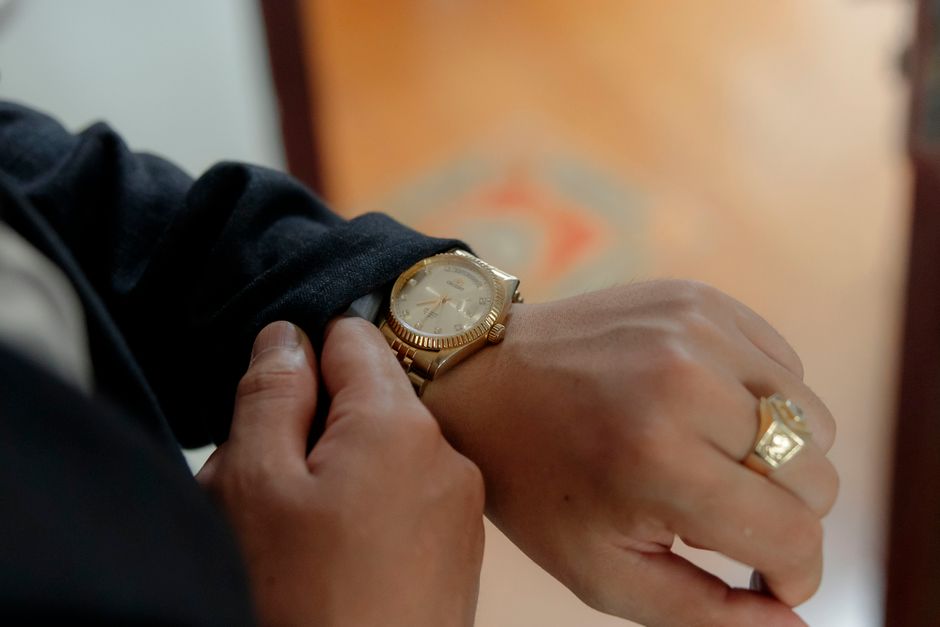
Ensuring you gather all these items before selling will increase justluxe.com the perceived trustworthiness, authentication level, and thus, valuation of your Rolex.
Discontinuation and Limited Supply: Impact on Rolex Value
One of the most important concepts to grasp before selling a Rolex is the impact of discontinuation on market dynamics. When production of certain models or configurations ends, it creates a finite supply, which often leads to heightened demand and price increases. A striking example of this phenomenon was the sale of the Rolex Daytona "Paul Newman" in 2017 by Phillips Auction, which fetched a staggering $17.8 million.
This sale was for a vintage watch, no doubt, but it highlights how rarity and provenance—supported by complete documentation—can exponentially elevate a Rolex’s value beyond typical market estimates.
Why Finite Supply Matters
- Collectibility Is Enhanced: No new examples entering the market makes existing watches more coveted by collectors. Configuration-Specific Demand: Certain dial and bezel configurations that have been discontinued can fetch premiums due to rarity. Investment Potential: Buyers view discontinued models as appreciating assets.
Therefore, if your Rolex is discontinued or features a configuration no longer produced, be sure to highlight this in your listing and gather all corresponding documentation to maximize your sale price.
Market-Based Valuation: How to Price Your Rolex
Pricing a Rolex is more art than science. Below are key evaluation inputs that collectors, dealers, and resale marketplaces consider when valuing your timepiece:
Input Description Effect on Price Reference Number Specific model identifier, e.g., 116610LN, 16610 Defines base desirability and rarity Dial and Bezel Configuration Subtle variations in dial color, markers, bezel type (ceramic, steel, gold) Drives sharp price swings; exotic or discontinued combos fetch premiums Production Years Year(s) the watch was manufactured Vintage models sometimes more valuable, especially with rare features Completeness (Box & Papers) Whether original packaging and documentation are present Typically adds 5-15%+ in value, sometimes more for ultra-premium models Service History Records of authorized maintenance or restoration Builds buyer confidence, can reduce price negotiation for condition issuesUsing market-based valuation means comparing your watch with current sales of identical or very similar Rolexes on platforms like Chrono24, WatchBox, and auction houses to pinpoint your fair market value. Be sure to adjust for completeness, service history, and condition.
Complete Set vs Head-Only: What Drives Premiums?
Many sellers wonder just how much difference having a "complete set" makes versus selling a watch "head-only." Here’s a closer look:
What Qualifies as a Complete Set?
- Rolex watch head (the watch itself) Original box (both inner and outer packaging) Warranty card or papers Service receipts or service card User manuals and booklets Hang tags and extras (certificates, polishing cloths)
How Much More is a Complete Set Worth?
On average, a complete set sells for 5-15% more than the same watch sold without papers and box. In rare and collectible watches, this premium can be even greater. Watch collectors often view a complete set as the “holy grail” as it not only reassures authenticity but also preserves the watch’s archival history.
Head-Only Sales and Pricing Implications
Selling just the watch head can be practical if documents are lost or damaged, but expect buyers to discount aggressively. Many MSRP-aligned retail sales or authorized trade-ins require full documentation, so lacking box and papers may limit selling channels and reduce overall returns.
Final Preparation: Tips Before Listing Your Rolex
Organize All Documents: Gather and verify the originality of warranty cards, receipts, service cards, and manuals. Inspect the Box: Ensure the box is clean and complete. Missing outer boxes or inserts can reduce value. Document Service History: If serviced, collect official Rolex or authorized dealer service paperwork. Photograph Everything: Take clear photos of the watch head, box, warranty card, and service receipts. Research Comparable Sales: Use current auction results and marketplace data to price competitively using your watch’s precise reference and configuration. Disclose Everything Transparently: Honest descriptions build buyer trust and reduce negotiation headaches.Conclusion
Successfully selling a Rolex starts well before you list it online or head to your local dealer. The difference between a smooth sale at a premium price and a frustrating undervalued offer often boils down to the completeness of your documentation and accessories. From the essential box and papers checklist to highlighting rare dial configurations and a solid service history, these factors combine with market-based valuation techniques to unlock your Rolex's true market value.

Remember the historic $17.8 million Paul Newman Daytona sale? It’s a testament to how condition, provenance, rarity, and documentation converge to create extraordinary value. While everyday Rolex owners may not reach those heights, following the checklist and preparation tips here will help you achieve the best possible outcome for your sale.
Start by gathering your Rolex documents needed carefully, showcase the watch’s unique story, and choose the right sales platform. This well-rounded approach ensures that your Rolex’s value is fully realized—box, papers, and all.